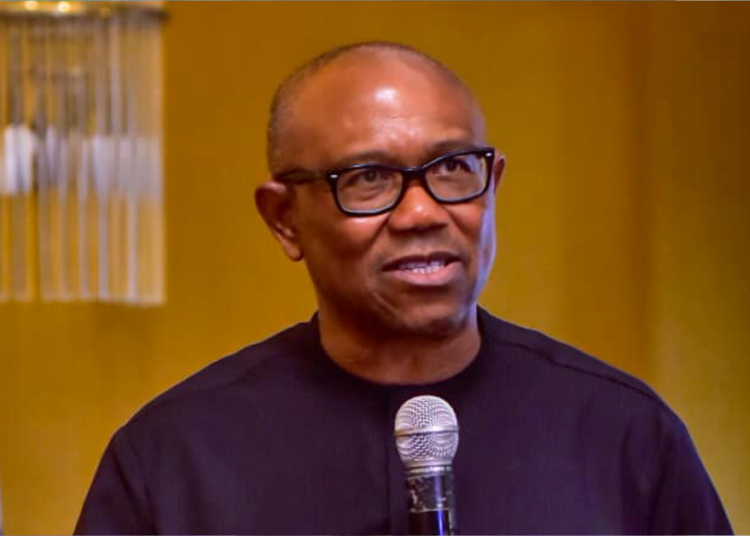
Peter Obi, a former Labour Party (LP) presidential candidate, has urged Nigeria to reconsider taxation if it is serious about shared wealth, economic growth, and national cohesion.
The former governor of Anambra State noted in a post on his 𝕏 handle (previously Twitter) that the goal of solid economic policy is not only to increase income but also to make the people wealthy so that the country itself gets stronger.
Celebrating higher government revenue as the populace becomes poorer, in his opinion, is morally repugnant.
“One lesson is clear as I travel the world and meet leaders who have transformed their nations: lasting economic and social progress begins with national consensus,” he stated. One characteristic that distinguishes transformative leaders—those who successfully bring their people together around a common goal—is honesty. Because voters expect nothing less from those in positions of authority, government must be open and truthful. True leaders foster unity, trust, and a common goal—the cornerstones of long-term progress—instead of taking advantage of their followers to enrich themselves and a select group of friends.
Nigeria’s current tax policy must be evaluated in light of this criteria of moral leadership. Sincerity, equity, and concern for the wellbeing of the populace must be the foundation of taxation if it is to serve as a true social contract. Every tax policy ought to be explained in detail, including how it affects incomes and how it is anticipated to advance national development. Without this transparency, taxes cease to be a vehicle for development and progress and instead become a source of misunderstanding and burden.
If Nigeria is serious about shared wealth, national cohesion, and economic growth, it needs to reconsider taxation. The goal of good fiscal policy is not only to increase revenue but also to increase the wealth of the populace in order to strengthen the country. However, Nigerians are now required to pay taxes without any clarity, justification, or obvious advantage.
The first step in the approach is to empower small and medium-sized businesses in each neighborhood. When small businesses prosper, the tax base organically grows, earnings increase, and jobs are created. You must produce your way out of poverty; you cannot tax your way out.
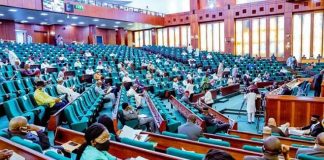
This is why the current tax fraud scandal is so concerning. There has apparently been the creation of a tax law for the first time in Nigerian history. It has been acknowledged by the National Assembly itself that the gazetted version is not the one that was enacted. However, under this manipulative system, citizens are being asked to pay increased taxes without any explanation, transparency, or advantages.
“Celebrating higher government revenue while the population becomes more impoverished is morally repugnant. Poverty is made worse by taxes, not better. Good governance and sound fiscal policy are fundamentally violated by any tax system that increases the poverty of its population.
“Nigeria needs a just, legal, and people-centered tax system that encourages production, rewards business, safeguards the weak, and rebuilds public confidence in the government.” Then and only then will taxes be a genuine instrument for harmony, development, and mutual prosperity.