
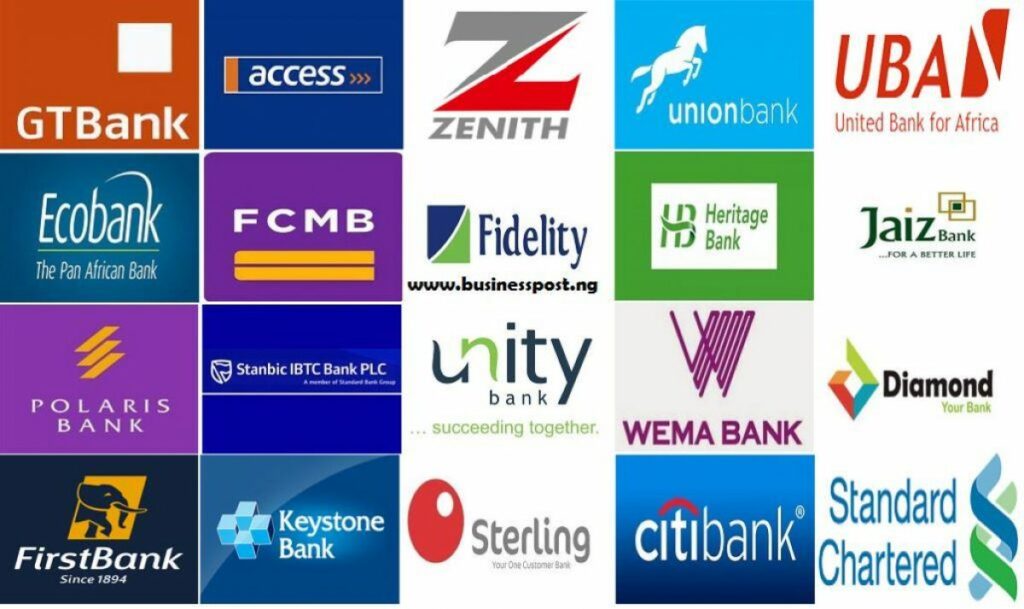
As the Central Bank of Nigeria (CBN) moves closer to the deadline for bank recapitalisation, four lenders—**Union Bank, Keystone Bank, Unity Bank, and Polaris Bank**—are under increasing pressure to meet the new capital requirements or face regulatory action.
Unlike Tier-1 banks that have either secured additional capital or outlined clear compliance strategies, these institutions continue to struggle with a mix of legal challenges, investor hesitation, and weak earnings performance. Analysts say their situation could trigger a new wave of consolidation within Nigeria’s banking sector.
The recapitalisation initiative, introduced to strengthen balance sheets, improve resilience, and restore confidence after prolonged economic volatility, has become a major test of governance standards and investor confidence. Data from market analysts indicate that the four banks face varying levels of capital shortfall, worsened by ownership uncertainties and unresolved legal matters.
Financial analyst **Titus Iduma** noted that the recapitalisation exercise now goes beyond fundraising. “Investors are looking for credibility, strong governance, and a clear earnings outlook. Capital alone is no longer enough,” he said.
Union Bank is reportedly relying on foreign investment, particularly from the Middle East, to close its capital gap. However, an ongoing legal dispute involving former shareholder **TGI Group** has raised concerns among prospective investors. Although the dispute is expected to be resolved soon, analysts warn that any delay could limit the bank’s ability to complete its recapitalisation within the regulatory timeframe.
Keystone Bank’s recapitalisation plans are complicated by competing investor interests. While a local investment consortium has shown strong interest, market watchers question whether domestic investors alone can provide the scale of funding required. Foreign investors are also reportedly exploring participation, increasing the likelihood of a joint investment structure that could satisfy regulatory expectations.
Unity Bank appears to be making the most progress through its planned merger with **Providus Bank**. Observers say the proposed deal, which already has an agreed capital structure and near-complete regulatory alignment, offers a viable path to compliance. The merger is, however, subject to the resolution of a shareholder legal challenge expected to be concluded before the deadline.
Polaris Bank is widely seen as a candidate for either a strategic merger or investor-led recapitalisation. Market intelligence suggests a potential merger with **Wema Bank**, a move analysts believe would strengthen capital adequacy, improve competitiveness, and align with the CBN’s consolidation objectives.
According to banking analyst **Stephen Iloba**, a merger offers Polaris Bank a faster and more reliable solution. “Given its history of regulatory intervention, a standalone future appears unlikely. A merger provides scale and stability,” he said.
Experts warn that banks unable to meet recapitalisation requirements may face credit rating downgrades, limits on dividend payments, restrictions on asset growth, or forced mergers under regulatory supervision.
Economist **Cyril Amkpa** said the CBN prefers orderly outcomes but will not hesitate to act where deadlines are missed. “Banks that fail to comply risk losing control over strategic decisions,” he noted.
Despite the pressure, analysts believe the recapitalisation programme is delivering its intended outcome by forcing difficult decisions and strengthening the financial system. As one analyst put it, “Consolidation should be seen as progress, not failure—what matters most is protecting depositors and ensuring long-term stability.”
For Union, Keystone, Unity, and Polaris Banks, the coming months will be critical as legal resolutions, investor commitments, and regulatory approvals must align swiftly to determine their future.