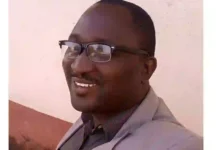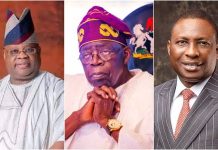
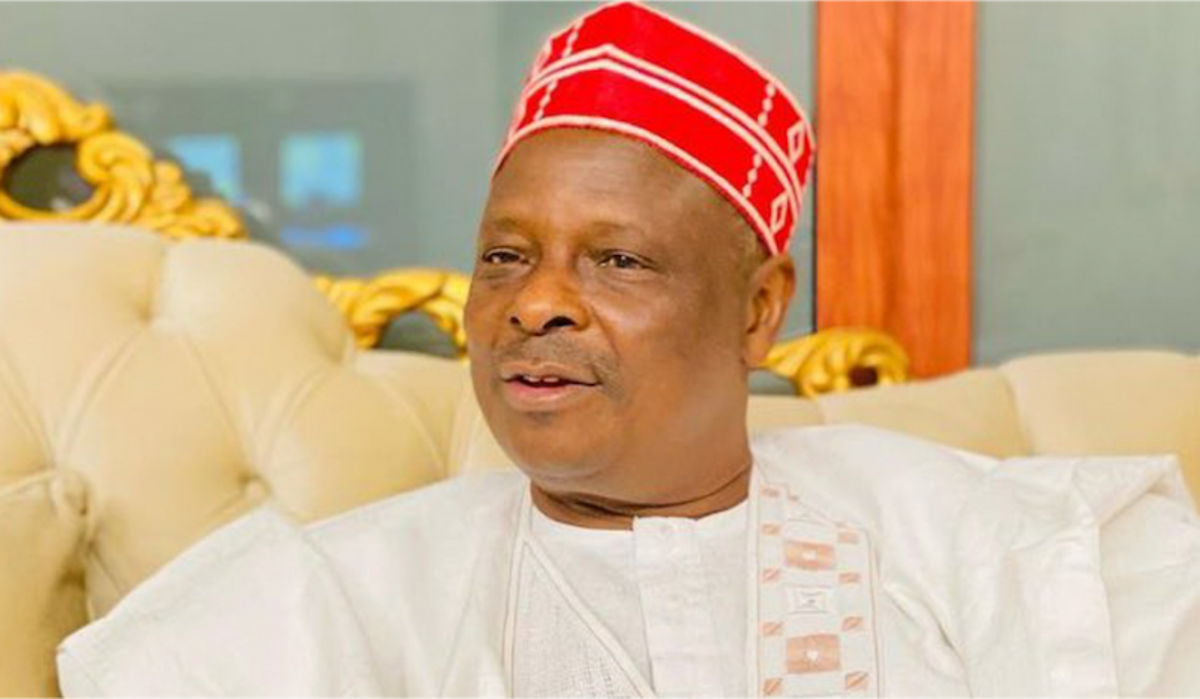
A proposed asset freeze and ban on U.S. visas for their leader, Rabiu Musa Kwankwaso, has been denied by the Kwankwassiya Movement and the New Nigeria Peoples Party (NNPP). They claim the action is unjust, politically driven, and stems from “selective judgment” against a Nigerian opposition figure.
In response to allegations of religious persecution, the U.S. Congress introduced the Nigeria Religious Freedom and Accountability Act of 2026, which calls for penalties against Kwankwaso, Miyetti Allah organizations, and purported Fulani militias.
Mansur Kurugu, the Kwankwassiya Movement’s spokesperson, stated that the organization was surprised by the news and is researching its ramifications.
“Like any other Nigerian, we were shocked to hear the news. We are now researching what that means, and we will make a formal announcement later,” Kurugu stated.
Kwankwaso is now abroad, according to information Vanguard obtained.
The proposal is deemed “contrived” by NNPP.
The proposed penalties were also denounced by the NNPP, which said they were an attempt to damage the country’s leader’s reputation.
Ladipo Johnson, the National Publicity Secretary for the party, said in a statement that it was “curious” Kwankwaso was being singled out for alleged abuses of religious freedom that he “knows nothing about.”
Johnson stated, “We perceive this development as a fabricated act against an innocent man who obviously has no connection to religious fundamentalism in Nigeria.”
He went on to say that such accusations are not supported by Kwankwaso’s public record, both in his private and official life.
“His record is available to the public,” he stated, adding that it is best for individuals to conduct thorough research before drawing such conclusions.
The party also contested the proposal’s foundation, specifically assertions that Kwankwaso was connected to Kano State’s blasphemy laws.
“Is Representative Riley Moore acting impartially or favorably? Why weren’t the governors of the other states who implemented Sharia law in their jurisdictions also charged? Isn’t it odd that the US suddenly seems to be swinging against Kwankwaso, an opposition leader who has frequently voiced concerns about insecurity? Johnson enquired.
Kwankwaso’s political background, according to the NNPP, refutes the claims of religious fanaticism.
It mentioned that Kwankwaso maintained tight ties with Christian leaders in Kano and ran alongside Bishop Isaac Idahosa, a Christian, in the 2023 presidential election.
Additionally, the party claimed that while Kwankwaso was governor of Kano State, he worked to guarantee that Boko Haram was driven out of the state.
“These facts ought to direct the U.S. Congress and its leaders to carry out a comprehensive investigation in order to bring justice to Senator Rabiu Musa Kwankwaso’s honorable name and relieve him of such unnecessary embarrassment,” the statement said.
The US Bill’s Recommendations
In an effort to address claims of religious persecution in Nigeria, Representative Riley Moore and others are sponsoring the Nigeria Religious Freedom and Accountability Act of 2026.
It suggests designating specific Fulani militias as terrorist organizations, prohibiting visas and freezing assets for people and organizations suspected of grave religious freedom violations, and requiring yearly reports on Nigeria’s adherence to the International Religious Freedom Act.
The law might increase political and diplomatic pressure on Nigeria if it is approved.
The NNPP and Kwankwassiya Movement, however, maintain that Kwankwaso’s inclusion in the proposal is more indicative of political targeting than a reliable inquiry.