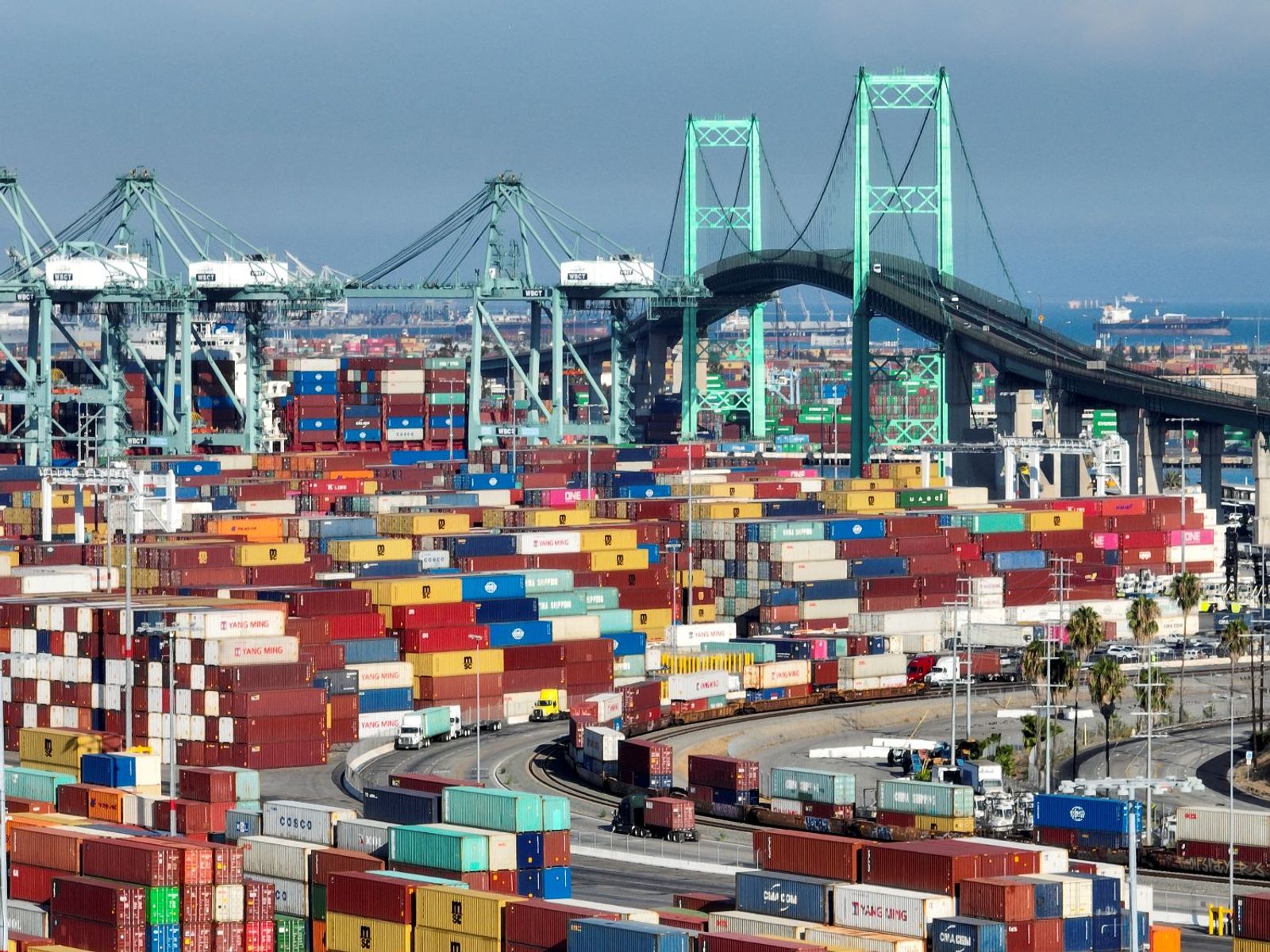
More than three days after the Supreme Court’s ruling, the U.S. Customs and Border Protection agency will cease collecting duties that the court declared unlawful on Tuesday.
The United States Supreme Court reportedly ruled 6-3 on Friday to overturn President Donald Trump’s tariffs, ruling that he lacks the right to impose import duties under emergency powers.
Through its Cargo Systems Messaging Service, the border agency informed shippers that, as of Tuesday AM, all tariff codes associated with Trump’s emergency powers measures will be shut down.
This coincides with Trump’s implementation of a new 15% global tariff, which he did so by invoking a different legal authority from the one that the Supreme Court overturned.
Customs and Border Protection has not provided an explanation for why it continued to collect the levies at US ports for a number of days after the Supreme Court ruled that they were illegal, according to information obtained by Naija News. Additionally, the agency made no mention of refunds for importers.
The organization clarified that halting these collections has no bearing on any other tariffs Trump has imposed, including those derived from statutes against unfair trade practices and national security.
“As appropriate, CBP will send CSMS messages to the trade community with additional guidance,” the agency stated.
The emergency powers tariffs increased the US Treasury’s revenue by about $133 billion, according to economists at the Penn Wharton Budget Model. According to their estimates, before the Supreme Court stepped in, the levies were generating more than $500 million every day.
As businesses wait to find out if they may get reimbursement for tariffs that the country’s top court claims the government collected without the right permission, all that money is currently in legal limbo.