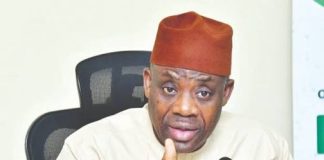
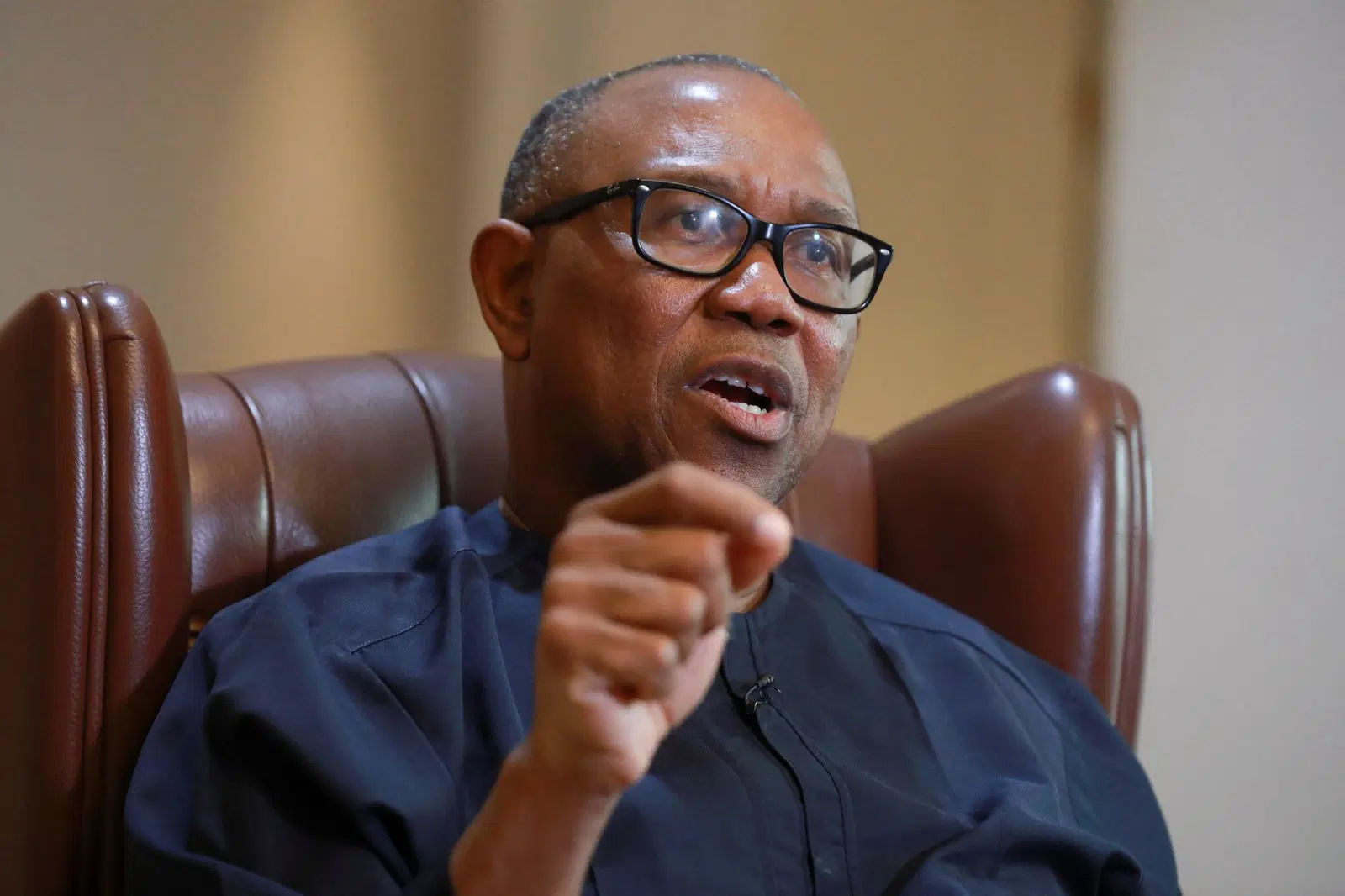
Peter Obi, a former presidential contender, has bemoaned the fact that Nigeria is bleeding from inside despite increased earnings.
In response to a World Bank research that stated Nigeria earned almost ₦84 trillion in federation revenue over the previous three years, he made the assertion via his 𝕏 account on Saturday.
Obi bemoaned the significant financial leakage occurring in the nation, nevertheless.
He said that the Federation Account was not credited with 41% of the total, or roughly ₦34.44 trillion.
He pointed out that the amount surpasses the ₦34 trillion allotted for capital projects in the Appropriations Bills for 2024 and 2025, characterizing the contrast as a measure of the magnitude of the problem.
He claims that the development points to structural issues with public financial management that have persisted in denying necessary funds to vital industries like infrastructure, healthcare, and education.
The former presidential contender urged officials to reroute public funds toward national development priorities and demanded increased responsibility and transparency in revenue management.
According to recent World Bank data, Nigeria’s Federation Revenue increased to ₦84 trillion in just three years, but a startling 41%, or ₦34.44 trillion, never made it to the Federation Account. This is quite concerning, he said.
This amount surpasses the ₦34 trillion allotted for capital projects in the 2024 and 2025 Appropriations Bills, a contrast that highlights the seriousness of the situation and indicates a fundamental problem.
This indicates widespread institutionalized corruption and is not just an oversight. Nigerians were incensed and the country trembled in 1994 when the Okigbo Panel revealed that roughly $12.4 billion from the Gulf War oil bonanza was missing.
“An even more concerning situation seems to be developing today, but it is met with an unsettling silence.”
We are caught in a deadly dilemma: as a country, we are making more money, but we have less money to spend on infrastructure, healthcare, and education. Since 2025, agencies have been able to obtain more resources than entire states and even important ministries thanks to systemic “deductions.”