🌿 Ruzu Non-Alcoholic Herbal Bitters
Ruzu Non-Alcoholic Herbal Bitters is a natural health supplement specially formulated to:
- ✅ Promote general wellness
- ✅ Detoxify the body
- ✅ Support the treatment of various ailments
Made from a powerful blend of 100% organic and medicinal herbs, Ruzu is completely alcohol-free, making it ideal for:
- 👪 All age groups
- 🌱 Health-conscious individuals
- 🌿 Anyone seeking non-alcoholic herbal remedies
Whether you're looking to boost your vitality, cleanse your system, or support healing the natural way, Ruzu Bitters offers a trusted herbal solution.
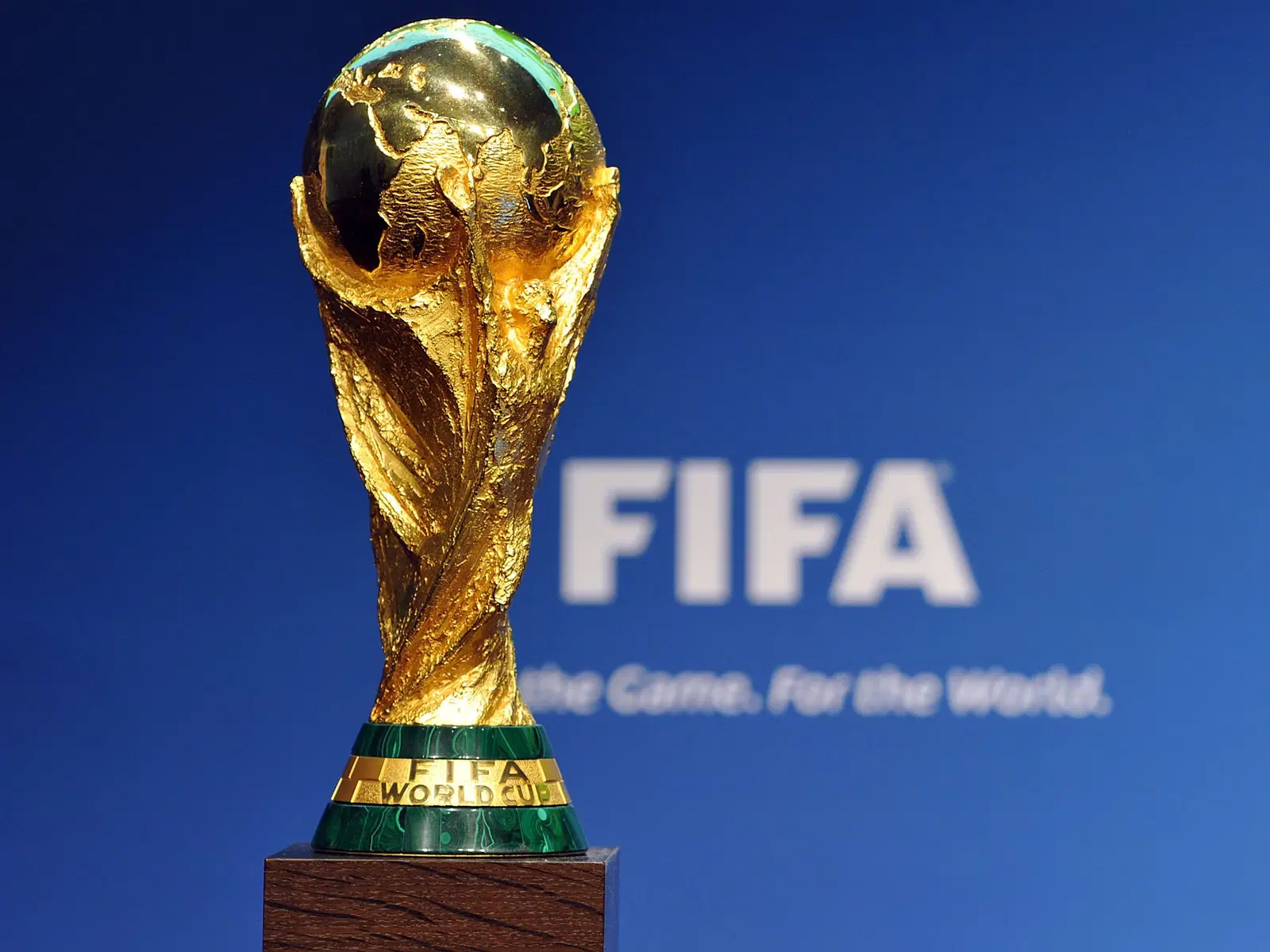
On Friday, December 5, football fans worldwide will focus on North America when FIFA holds the draw for the inaugural 48-team World Cup.
The expanded FIFA World Cup, which will take place in the United States, Mexico, and Canada from June 11 to July 19, 2026, is a significant change to the competition’s structure. The draw determines the groups for each of the 48 nations and determines the favorites’ early trajectory.
Everything you should know about the 2026 FIFA World Cup is listed below:
Top Seeds Maintained
Based on the most recent world rankings, FIFA will split the 48 teams into four pots of twelve. There will be one team from each pot in each group.
The draw was created for the first time by the governing body to avoid an early matchup between the top four countries.
If each team wins their group, Spain, Argentina, France, and England will be kept separated until at least the semifinals.
Except in the case of Europe, no group may have more than one team from the same confederation. There will be two European teams in each of four groups, with 16 UEFA countries anticipated to qualify.
Already-Assigned Host Nations
Each of the three host countries has already been assigned to a group, so they will completely skip the draw.
Group D will be led by the United States, which will play twice in Seattle and Los Angeles. Group A will be led by Mexico, who will have a great home crowd, particularly at the Azteca Stadium, where they will begin the competition on June 11 before traveling to Guadalajara for their third group match.
Canada will play two games in Vancouver and one in Toronto to secure their spot in Group B.
Extra Round of Knockouts
There is an extra knockout stage in the expanded format. Following the group stage, the competition will advance to a round of 32, which will include the top eight third-place teams as well as the top two teams from each group.
Only 16 countries will be eliminated after the first 72 games, meaning 32 will go from the group stage.
The Pots’ Appearance
Pot 1: Brazil, Portugal, the Netherlands, Belgium, Germany, Argentina, France, England, Mexico, Canada, Spain, and the United States.
Pot 2: Japan, Senegal, Iran, South Korea, Ecuador, Morocco, Colombia, Uruguay, Switzerland, Croatia, Austria, and Australia.
Pot 3: Ivory Coast, Uzbekistan, Qatar, Saudi Arabia, South Africa, Norway, Panama, Egypt, Algeria, Scotland, Paraguay, and Tunisia.
Pot 4: four UEFA play-off winners, two intercontinental play-off winners, New Zealand, Ghana, Curaçao, Haiti, and Jordan.
UEFA Playoff Routes
The final four spots will be contested by sixteen teams from Europe:
Path A: Italy or Northern Ireland versus Wales or Bosnia & Herzegovina
Path B: Sweden or Ukraine versus Poland or Albania
Path C: Romania or Turkey vs. Slovakia or Kosovo
Path D: Denmark or North Macedonia vs. the Czech Republic or Ireland
The finals will be held on March 31 after all semi-finals on March 26.
Play-offs between continents
There are six teams left to contend for two World Cup berths. Mexico will host both play-off routes.
Path 1: DR Congo v. New Caledonia or Jamaica
Path 2: Iraq vs. Bolivia or Suriname
The final matches are set for March 31, with the semi-finals set for March 26.
Keep in mind that the United States will host the 2026 FIFA World Cup draw at 3 p.m. Nigerian time.