🌿 Ruzu Non-Alcoholic Herbal Bitters
Ruzu Non-Alcoholic Herbal Bitters is a natural health supplement specially formulated to:
- ✅ Promote general wellness
- ✅ Detoxify the body
- ✅ Support the treatment of various ailments
Made from a powerful blend of 100% organic and medicinal herbs, Ruzu is completely alcohol-free, making it ideal for:
- 👪 All age groups
- 🌱 Health-conscious individuals
- 🌿 Anyone seeking non-alcoholic herbal remedies
Whether you're looking to boost your vitality, cleanse your system, or support healing the natural way, Ruzu Bitters offers a trusted herbal solution.
From Promise to Exploitation: Nigerian Girls Trapped in Mali Sex Trafficking Ring Return, Tell Story
…as GAHTO raises alarm over surge in human trafficking, seeking urgent support for victim rescue and rehabilitation.
By Naomi Onome
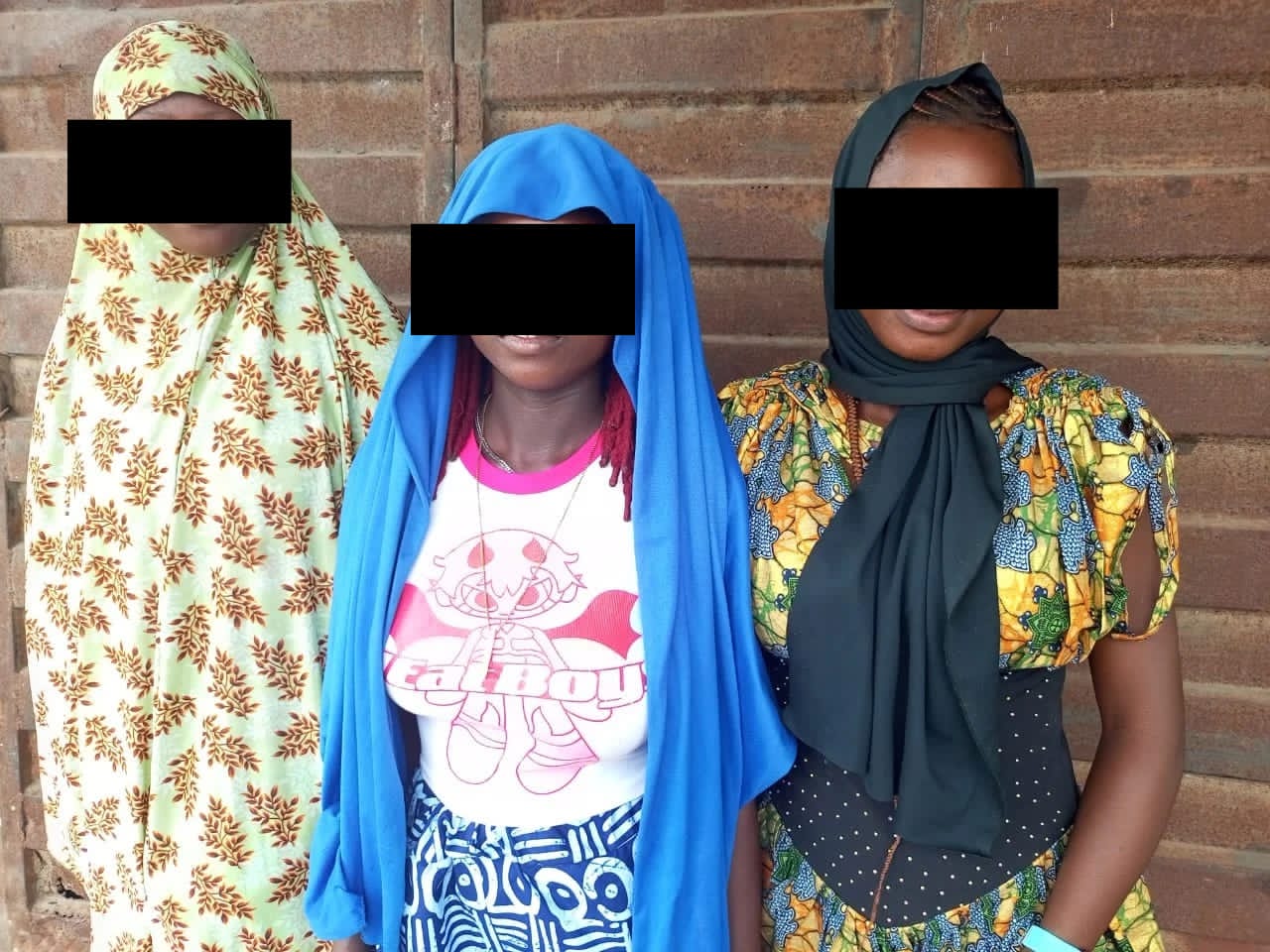
A disturbing account of human trafficking has emerged, detailing how young Nigerian women were deceived and transported to Mali under false pretences, only to be forced into prostitution.
The victims, including two sisters, Abibat, 17, and Boluwatife, 20, alongside 22-year-old Zainab, recounted their ordeal of deception, exploitation, and abuse after falling into the hands of traffickers.
According to the victims, a suspected agent identified simply as Peter Osas recruited them in Nigeria with assurances of bar and housekeeping jobs in Malaysia, instructing them to agree to any questions asked. To convince them, a woman identified as “Angel” reportedly spoke with them via video call, reinforcing the false narrative.
The journey began on February 17, 2026, when the victims were transported from Lagos State through the Seme border into Cotonou, Benin Republic. From there, they were moved across multiple locations under suspicious circumstances, including being issued questionable travel documents and transported through remote routes.
During the journey, the victims were reportedly stopped by security operatives but were released after money was allegedly paid on their behalf. After several days of travel, they arrived in a remote area in Mali called Jabani, described as isolated and lacking basic infrastructure.
Upon arrival, the victims said they immediately realised they had been deceived after observing the environment and items such as condoms, indicating the true nature of the work. Their resistance was reportedly met with coercion, emotional pressure, and restrictions on communication with their families.
The victims were separated and placed under different handlers, each allegedly assigned to control and monitor them; the handlers renamed the victims Bella, Linda and Joy, aka ‘small pepper’, upon arrival. They were also informed they owed approximately 1.2 million CFA francs each, a debt they were told to repay through daily earnings of sex exploitation.
One of the victims, Boluwatife, who was renamed ‘Bella’ by her handler in Mali, recounted severe physical and emotional distress, including illness that required hospitalisation. Despite her condition, she was reportedly forced to resume work shortly after treatment in order to repay medical expenses and accumulated debt.
The testimonies also revealed that several underage girls, some as young as 13, were present and engaged in the same exploitative activities. Victims described an environment of fear, limited freedom, and constant pressure to meet daily financial targets.
Efforts to escape were hindered by strict surveillance and limited access to phones, making communication nearly impossible. However, contact was eventually re-established with family members, prompting swift intervention by authorities.
The National Agency for the Prohibition of Trafficking in Persons (NAPTIP) Lagos Zonal Command, in collaboration with the Global Anti-Human Trafficking Organisation (GAHTO), led coordinated efforts that resulted in the victims’ rescue.
They have since returned to Nigeria, where they are calling on authorities to intensify action against trafficking networks and urging young people to be cautious of deceptive overseas job offers.
Their testimonies highlight the urgent need for public awareness, stronger enforcement, and collective action to dismantle trafficking networks and prevent more innocent lives from falling victim to such crimes.
However, the Global Anti-Human Trafficking Organization (GAHTO) has raised serious concerns over the increasing rate of human trafficking, calling for urgent intervention from government authorities and the public. Speaking in Ado-Ekiti on March 28, 2026, the organisation’s founder, Prosper K. A. Michael, described trafficking as a rapidly growing global crime with devastating human consequences.
Michael characterised human trafficking as a crime against humanity driven by organised networks that use deception, coercion, and exploitation. He explained that victims are often stripped of their freedom, with restricted movement and confiscated documents, leading to situations of forced labour or sexual exploitation.
He further noted that trafficking has serious implications for national development, as many victims are young individuals who could otherwise contribute meaningfully to society. Poverty and economic hardship, particularly in Nigeria, were identified as major drivers, making vulnerable people easy targets for traffickers promising better opportunities abroad.
The GAHTO founder revealed that trafficking extends beyond West Africa to countries such as Egypt, Libya, and Iraq, with both men and women affected. While women are often subjected to sexual exploitation, men are frequently forced into labour under false job promises. He also disclosed that several Nigerian victims in Egypt are currently in urgent need of evacuation due to harsh conditions and restrictive residency requirements.
To combat the crisis, GAHTO is proposing the establishment of vocational training centres to rehabilitate victims and equip them with practical skills for self-reliance. However, the organisation identified funding as a major challenge and called on the government, international bodies, and private individuals to support rescue, rehabilitation, and reintegration efforts aimed at restoring dignity to victims.
GAHTO Facebook Channel is:
www.facebook.com/globalantihumantraffickingorganization
GAHTO can also be reached via:
Email: global.antihumantrafficking@gmail.com
Phone no: +2348050503535