🌿 Ruzu Non-Alcoholic Herbal Bitters
Ruzu Non-Alcoholic Herbal Bitters is a natural health supplement specially formulated to:
- ✅ Promote general wellness
- ✅ Detoxify the body
- ✅ Support the treatment of various ailments
Made from a powerful blend of 100% organic and medicinal herbs, Ruzu is completely alcohol-free, making it ideal for:
- 👪 All age groups
- 🌱 Health-conscious individuals
- 🌿 Anyone seeking non-alcoholic herbal remedies
Whether you're looking to boost your vitality, cleanse your system, or support healing the natural way, Ruzu Bitters offers a trusted herbal solution.
Due to growing tensions in the Middle East and concerns about supply disruptions throughout the area, global crude oil prices shot up to a two-year high of over $90 per barrel on Saturday.
According to research on global oil markets, West Texas Intermediate traded at over $91 per barrel as of Saturday morning, while Brent crude increased to roughly $93 per barrel.
According to BBC reporting, the spike implies a nine percent gain in Brent crude, the biggest level since fall 2023.
Growing worries that the ongoing hostilities in the Gulf might seriously affect oil and gas production in the Middle East, which accounts for a sizable amount of the world’s energy supply, are what energy analysts blame for the surge.
Saad al-Kaabi, Qatar’s energy minister, reportedly issued the warning, cautioning that the violence in the area would compel major exporters of gas and oil to stop production.
The Financial Times said that al-Kaabi cautioned that the scenario might have significant effects on the world economy.
He claimed that if the Middle East’s energy exports are severely disrupted, the issue might “bring down the economies of the world.”
The minister also cautioned that if the crisis gets worse, crude oil prices might skyrocket.
According to industry estimates, if production in the region’s major oil-producing nations is stopped, oil prices might reach as high as $150 per barrel.
Tensions in the Gulf region have dramatically increased, which is why oil prices have risen sharply.
The battle escalated on February 28, 2026, following alleged coordinated operations against Iran by Israel and the United States.
Several Iranian leaders, including Ali Khamenei, the country’s supreme leader, are said to have died as a result of the strike.
Iran retaliated by launching a number of attacks throughout the Middle East, which exacerbated the situation and increased concerns about a larger regional battle.
A number of the region’s areas have been destroyed by the attacks, and international worries about stability in one of the most important oil-producing regions in the world have increased.
Iran has claimed control of the vital Strait of Hormuz, a tiny waterway that is used to transit a large amount of the world’s oil supply, adding to the unease in international markets.
Several energy facilities in the area declared temporary shutdowns in the wake of the development.
These included businesses connected to QatarEnergy and the Ras Tanura refinery in Saudi Arabia, one of the biggest oil refineries in the Middle East.
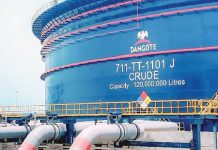
Previously, the Dangote Refinery’s fuel loading costs increased as a result of the war.
Fuel prices increased nationwide as a result of the adjustment, putting further strain on many Nigerians’ cost of living.