🌿 Ruzu Non-Alcoholic Herbal Bitters
Ruzu Non-Alcoholic Herbal Bitters is a natural health supplement specially formulated to:
- ✅ Promote general wellness
- ✅ Detoxify the body
- ✅ Support the treatment of various ailments
Made from a powerful blend of 100% organic and medicinal herbs, Ruzu is completely alcohol-free, making it ideal for:
- 👪 All age groups
- 🌱 Health-conscious individuals
- 🌿 Anyone seeking non-alcoholic herbal remedies
Whether you're looking to boost your vitality, cleanse your system, or support healing the natural way, Ruzu Bitters offers a trusted herbal solution.
The National Institute for Sports (NIS) has partnered with the National Board for Technical Education (NBTE) to update its curriculum to align with global best practices.
During a courtesy visit to the National Board for Technical Education, the NIS DG emphasized the importance of the partnership in developing a 21st-century curriculum that will adhere to international best practices.
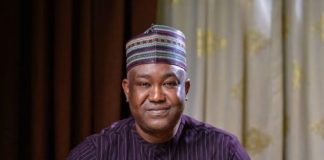
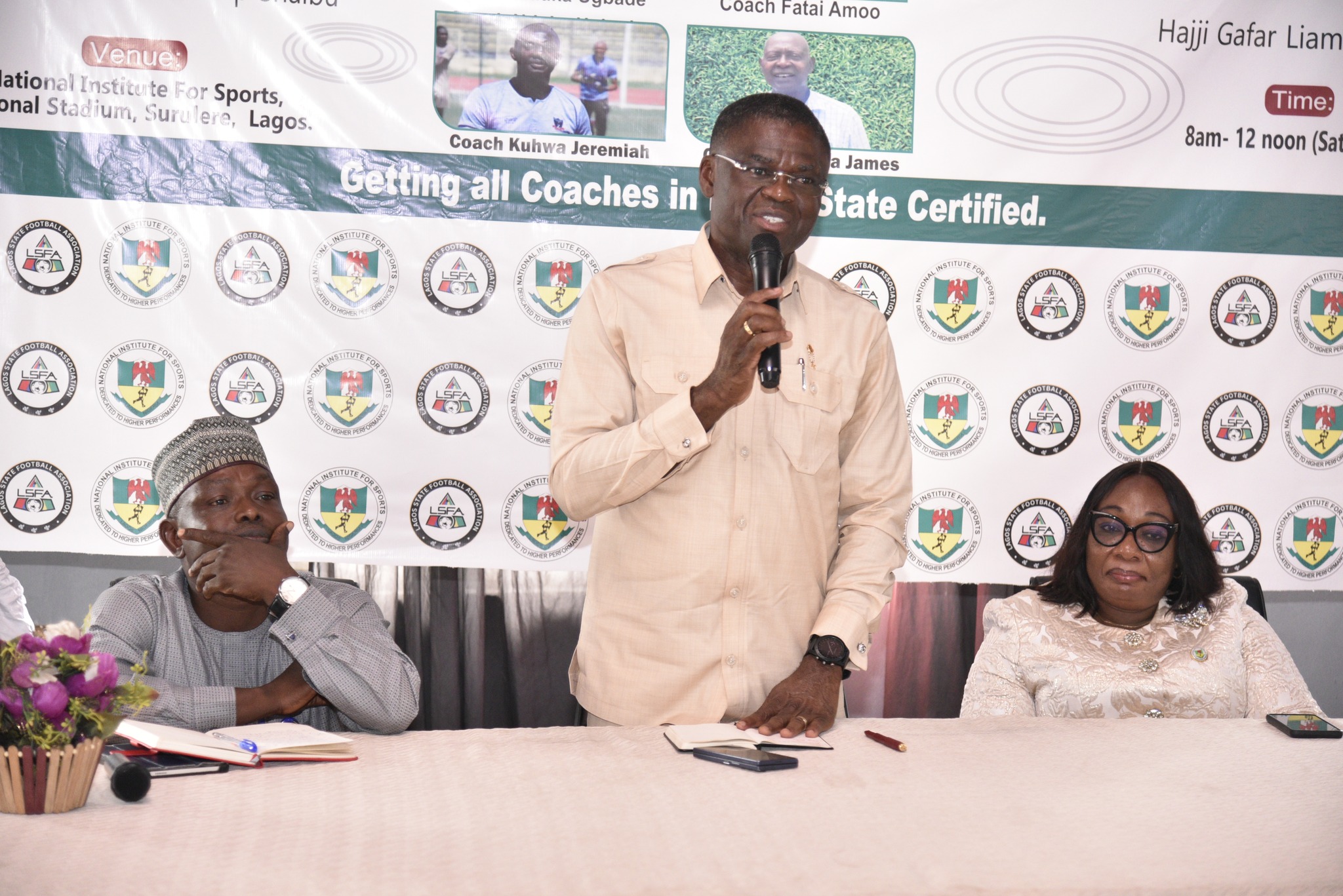
Comrade Philip Shaibu, the Director General and Chief Executive Officer of the National Institute for Sports, stated in his speech that it is crucial for the institute to collaborate with organizations, especially the National Board for Technical Education, in order to revamp her coaching programs, including skill development programs.
As a supervisory agency, we are here to work with you on all aspects of our curriculum and skill development.
And one of the main reasons we are here is to comprehend and discover new areas that NIS needs to pursue in terms of curriculum modification and skill development.
We have determined that, since I became the Director General of NIS, we must revamp not only the organization’s architecture but also its core mission, which is training and skill development.
You are aware that NIS is tasked with training all of the coaches in a variety of sports and top athletes, as well as the management personnel of the sport ecosystem. Therefore, we have significant responsibilities outside of the academic program, such as the technical components of athlete training, and everyone is burdened with the NIS.
Comrade Shaibu pointed out that the NIS has created a 10-year strategy plan in accordance with President Bola Ahmed Tinubu’s Renewed Hope Agenda, which will aid in repositioning the institution among the top sports institutes in the world.
When I was appointed, we had to examine how to reposition NIS in terms of its mandate. Upon doing so, I discovered several holes, and we concluded that we needed to prepare for success. As a result, we formed a team to create a roadmap for returning NIS to its primary mission. In order for NIS to compete worldwide, we have been able to create a 10-year strategic plan that we call the roadmap plan. One of the main goals we need to accomplish is updating and possibly revising our curriculum to reflect contemporary methods and learning.
When NIS was founded in 1904, it was the only institution in all of Africa, and other African nations came to Nigeria to train their coaches. However, things gradually declined. We are currently working to restore not just its former splendor but also its standing as Africa’s premier athletic institution.
Speaking for the National Board for Technical Education’s Executive Secretary, Professor Idris Bugaje, Special Assistant to the Executive Secretary and Director of Special Duties, Professor Diya’udeen Bashir Hassan, says the new partnership between the two sides will produce the desired outcome, pointing out that NBTE will be the best at developing skills, which is one of the board’s primary mandates.
In order to guarantee the advancement of both parties and the nation as a whole, Prof. Bugaje further pledged that other areas of interest between the NBTE and the NIS will be investigated.
The board and the NIS have a lot in common, and the country as a whole as well as the two organizations benefit from this. You are aware of the National Institute of Sports’ influence on the country’s landscape, which I am sure he will discuss later. And in doing so, several things have been done that are related to skills, training, and other things that the NBTE undertakes.