🌿 Ruzu Non-Alcoholic Herbal Bitters
Ruzu Non-Alcoholic Herbal Bitters is a natural health supplement specially formulated to:
- ✅ Promote general wellness
- ✅ Detoxify the body
- ✅ Support the treatment of various ailments
Made from a powerful blend of 100% organic and medicinal herbs, Ruzu is completely alcohol-free, making it ideal for:
- 👪 All age groups
- 🌱 Health-conscious individuals
- 🌿 Anyone seeking non-alcoholic herbal remedies
Whether you're looking to boost your vitality, cleanse your system, or support healing the natural way, Ruzu Bitters offers a trusted herbal solution.
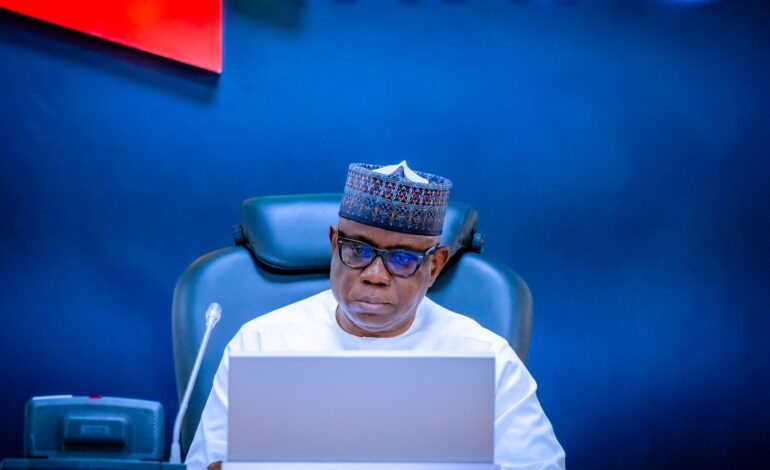
The Nigerian National Petroleum Company (NNPC) Limited’s chief executive officer (GCEO), Bayo Ojulari, has come under fire from the Petroleum Products Retail Outlets Owners Association of Nigeria (PETROAN) over remarks he made regarding the Port Harcourt refinery.
According to reports, Ojulari had previously stated that the Port Harcourt plant was suffering enormous losses, which resulted in the business’s shutdown.
Ojulari urged Nigerians to give thanks to God for the Dangote refinery, stating that it gave the country a “breathing space” during the closure of state-owned refineries.
However, Joseph Obele, PETROAN’s national public relations officer (PRO), requested in a statement on Wednesday that the NNPC executive refrain from applauding the Dangote refinery based on the state-owned asset’s failure.
Ojulari’s claim that Nigerians should be “thankful” just for the Dangote refinery’s success was criticized by him.
He acknowledged the strategic significance and admirable accomplishment of the privately owned refinery, but stated that private investment cannot take the place of the government’s constitutional and financial duty to effectively manage public assets.
“Dangote Refinery is a private investment motivated by efficiency and profit.” In contrast, national assets are held in trust for Nigerians by NNPC. Obele stated, “One cannot be used as an excuse for the other’s failure.”
He cautioned that the NNPC leadership’s frequent public confessions of ineptitude might damage Nigeria’s energy security framework, erode investor confidence, and undo years of policy efforts to support local refining, price stability, and job development.
Obele urged the NNPC GCEO to realize that his role was to address issues rather than “run away from the success of a private refinery.”
He described as “most worrisome” the assertion that there is no urgency to restart the Port Harcourt Refinery because Dangote is currently meeting Nigeria’s fuel needs.
According to Obele, “such a statement is irritating, unacceptable, and indicative of leadership that is not solution-centric.”
Nigeria cannot continue to normalize waste, institutional failure, and the retroactive rationalization of bad choices, according to the PETROAN PRO.
He emphasized that acknowledging failure is only significant if it is followed by accountability, changes, and a convincing strategy to stop it from happening again.
In addition, Obele stated that he will investigate legal options “to demand the removal of the NNPC GCEO should the Port Harcourt Refinery fail to resume operations on or before 1 March 2026” by lobbying civil society organizations and pertinent parties.
He cautioned that, given the enormous amounts already spent on rehabilitation, a prolonged shutdown might result in rust, corrosion, and equipment failure, which would ultimately make the entire revamp effort pointless if nothing was done immediately.