Tag: Nigeria

  • Lagos State Chief of Staff Commends South-West Arewa Community Renewed Hope Agenda for Asiwaju 2027

    Lagos State Chief of Staff Commends South-West Arewa Community Renewed Hope Agenda for Asiwaju 2027

    Lagos State Chief of Staff Commends South-West Arewa Community Renewed Hope Agenda for Asiwaju 2027

    By Naomisophyblog

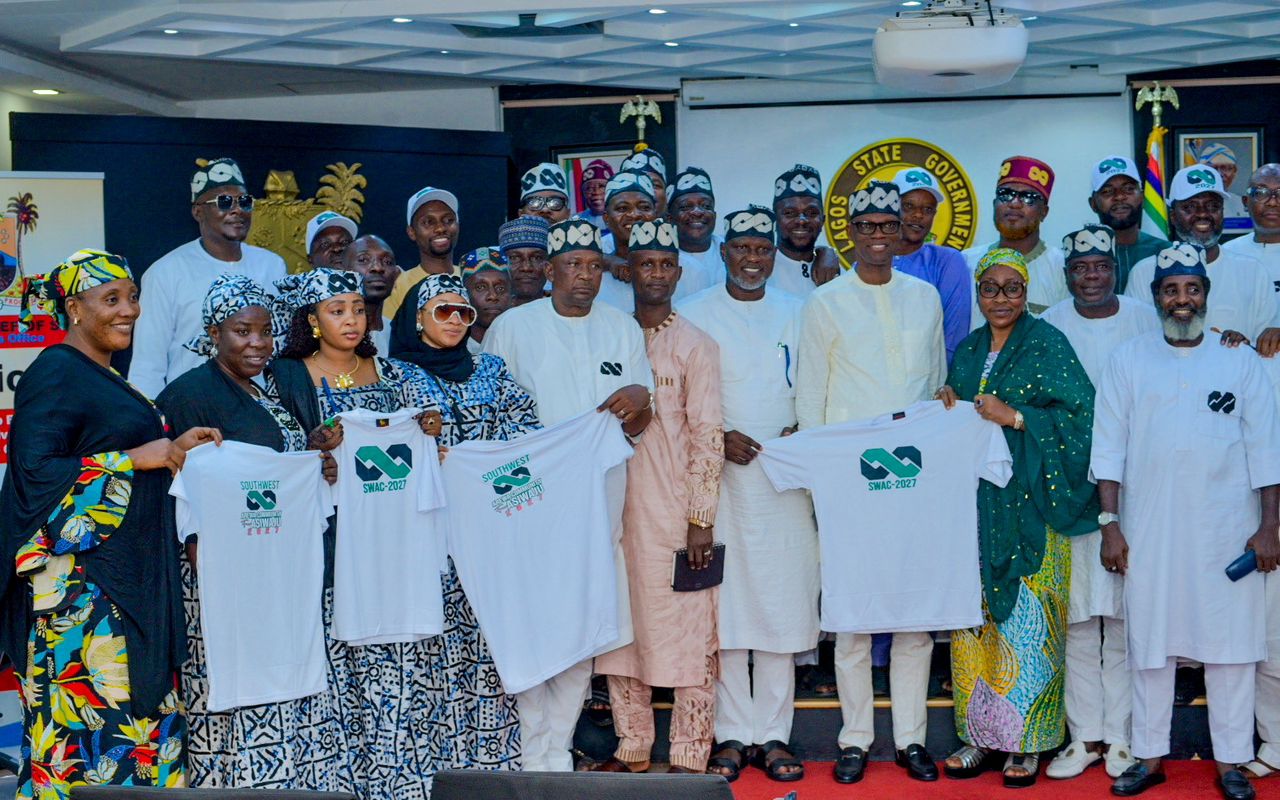
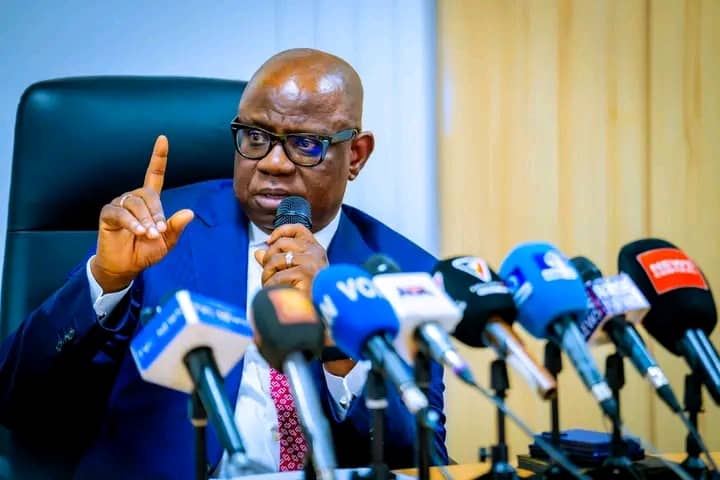
    The Lagos State Chief of Staff, Mr. Tayo Akinmade Ayinde, on Friday received the leadership of the South-West Arewa Community Renewed Hope Agenda for Asiwaju 2027 at the Lagos House, Alausa, where he expressed appreciation for their self-sponsored public engagement initiatives. He noted that the group’s consistency has enhanced civic awareness and strengthened community relations, particularly through activities that project government programmes and encourage constructive participation across the South-West region.

    During the meeting, Director-General Alhaji Shehu Usman Jibrin ‘Sampam’ thanked the Chief of Staff for his long-standing support and highlighted the positive impact of the Lagos State Government’s openness to community-based collaborations. He explained that the administration’s backing has aided the group in sustaining stable structures and effective outreach, especially within Arewa communities whose cultural cohesion and presence remain vital to the movement’s growth.

    Alhaji Sampam also referenced the group’s well-attended summit held at Ndubuisi Kanu Park, Alausa, on November 20, 2025, describing it as a milestone gathering. The event showcased key developmental achievements of the administration and deepened public interest in the Renewed Hope Agenda. According to him, the summit enhanced unity among Arewa residents across South-West states and strengthened the group’s communication channels and community integration efforts.

    Responding, Mr. Ayinde applauded the Director-General for his tireless efforts and commended the group for organising the summit independently with impressive coordination and cultural vibrancy. He urged the DG to continue his good work, adding that the Arewa community’s reputation for integrity, loyalty and cooperation has consistently contributed to longstanding harmony and mutual respect between Arewa residents and their South-West hosts.

    The Chief of Staff further pledged continued support from the Governor Babajide Olusola Sanwo-Olu administration, assuring that the government values peaceful, lawful and inclusive civic sensitisation efforts. He also acknowledged the contributions of ace Hausa broadcaster Ibrahim Jagaba, whose weekly radio programmes highlight Lagos State Government achievements across various sectors and help broaden public understanding of ongoing developmental strides.

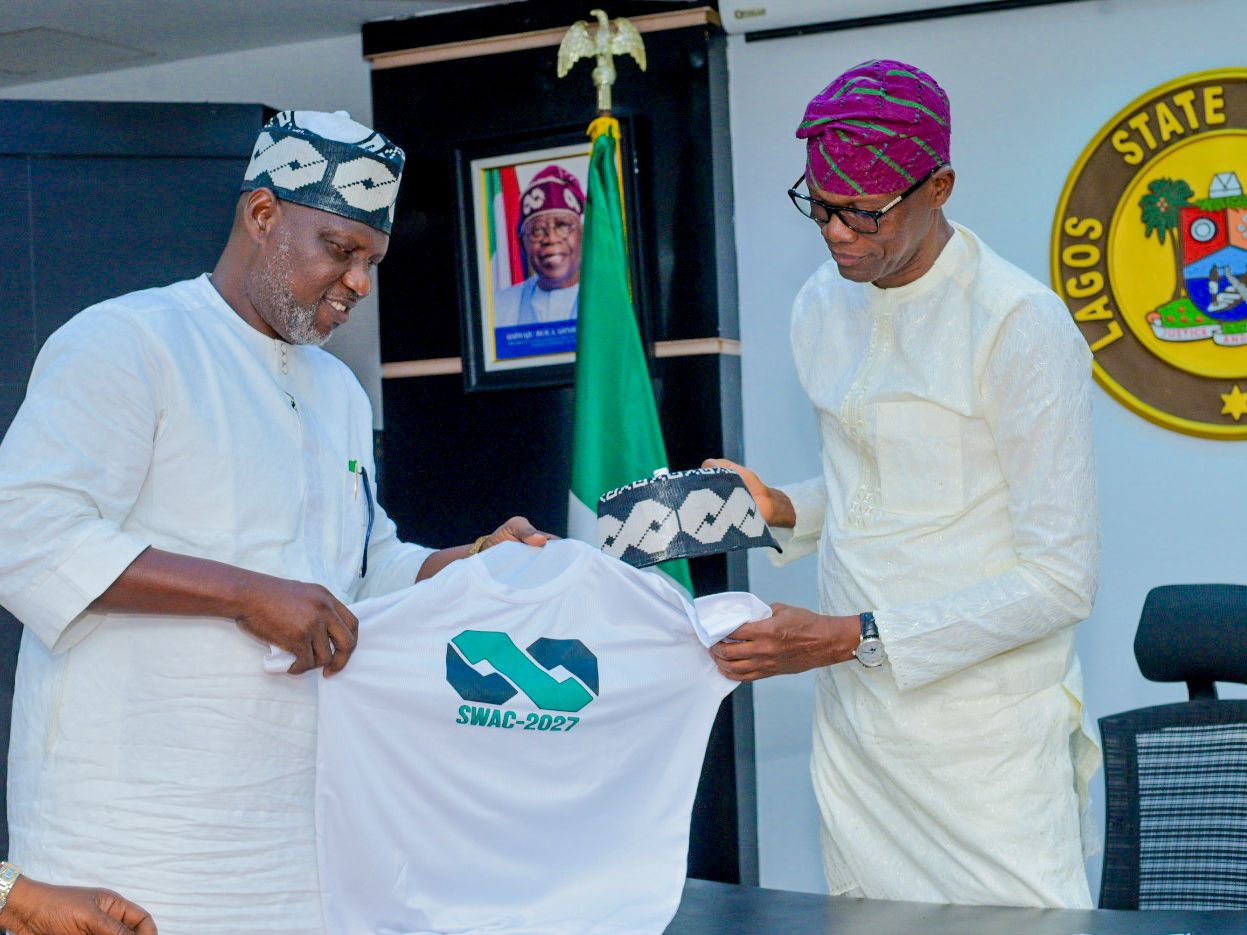
    The visit concluded with the formal presentation of the group’s ABAT-themed cap and T-shirt to Mr. Ayinde, symbolising appreciation for his reception and the administration’s sustained partnership. The delegation reaffirmed its commitment to community engagement, cultural collaboration and structured outreach as part of its ongoing activities across the South-West.

  • Nigeria Spends N12.8 Trillion on Petrol Imports Amid Dangote Refinery Clearance Delays

    Nigeria Spends N12.8 Trillion on Petrol Imports Amid Dangote Refinery Clearance Delays

    A thorough examination of the Nigerian Midstream and Downstream Petroleum Regulatory Authority (NMDPRA) factsheet shows that between August 2024 and October 2025, Nigeria imported ₦12.8 trillion worth of Premium Motor Spirit (PMS), commonly referred to as gasoline or fuel.

    The agency’s record of 15,435,000,000 liters transported into the nation over a 15-month period was used to compute the import value, with an average landing cost of ₦829.77 per litre.

    According to the breakdown, September 2024 had the highest volume of petrol imports at 1.52 billion liters, when there was no local production. August 2024 (1.38 billion liters) and December 2024 (1.31 billion liters) came next.

    Import volumes decreased somewhat to 1.12 billion liters in November 2025 from 1.17 billion liters in October. Before slightly increasing to 770 million liters in February and 889.7 million liters in March of 2025, the number dropped precipitously to 765.7 million liters in January.

    April’s importation was 861 million liters, May’s was 1.19 billion liters, June’s was 978 million liters, July’s was 1.11 billion liters, August’s was 818.4 million liters, September’s was 663 million liters, and October’s was 855.6 million liters in 2025.

    All 7.2 billion liters of local PMS are supplied by Dangote.
    It was understood that the Dangote Refinery was the only source of the 7,208,280,000 liters of local supply during that time.

    August 2024 saw no local supply; however, production started up again in September 2024 at 102 million liters, increasing to 300.7 million liters in October and 558 million liters in November.

    After falling to 306.9 million liters in December 2024, production increased to 592.1 million liters in January 2025, 694.4 million liters in February, and 709.9 million liters in March.

    645 million liters were reported in April, followed by 573.5 million liters in May, 543 million liters in June, and 511.5 million liters in July. In August 2025, supply increased to 613.8 million liters; in September, it fell to 528 million liters; and in October, it reached 529.48 million liters.

    Despite growing pressure to stop imports and switch to domestic refining, the factsheet reveals Nigeria is still largely dependent on imported PMS.

    Through a presidential order to the Federal Inland Revenue Service (FIRS) and NMDPRA, the Federal Government previously levied a 15% ad valorem duty on imported PMS and diesel.

    Stakeholders fiercely opposed the idea, cautioning that Nigeria had not yet attained self-sufficiency. The directive was eventually overturned by the administration.

    Additionally, industry participants cautioned that prohibiting PMS imports might give Dangote a monopoly, which they claimed would jeopardize energy security.

    Dangote Expresses Concern About Delays in Vessel Clearance
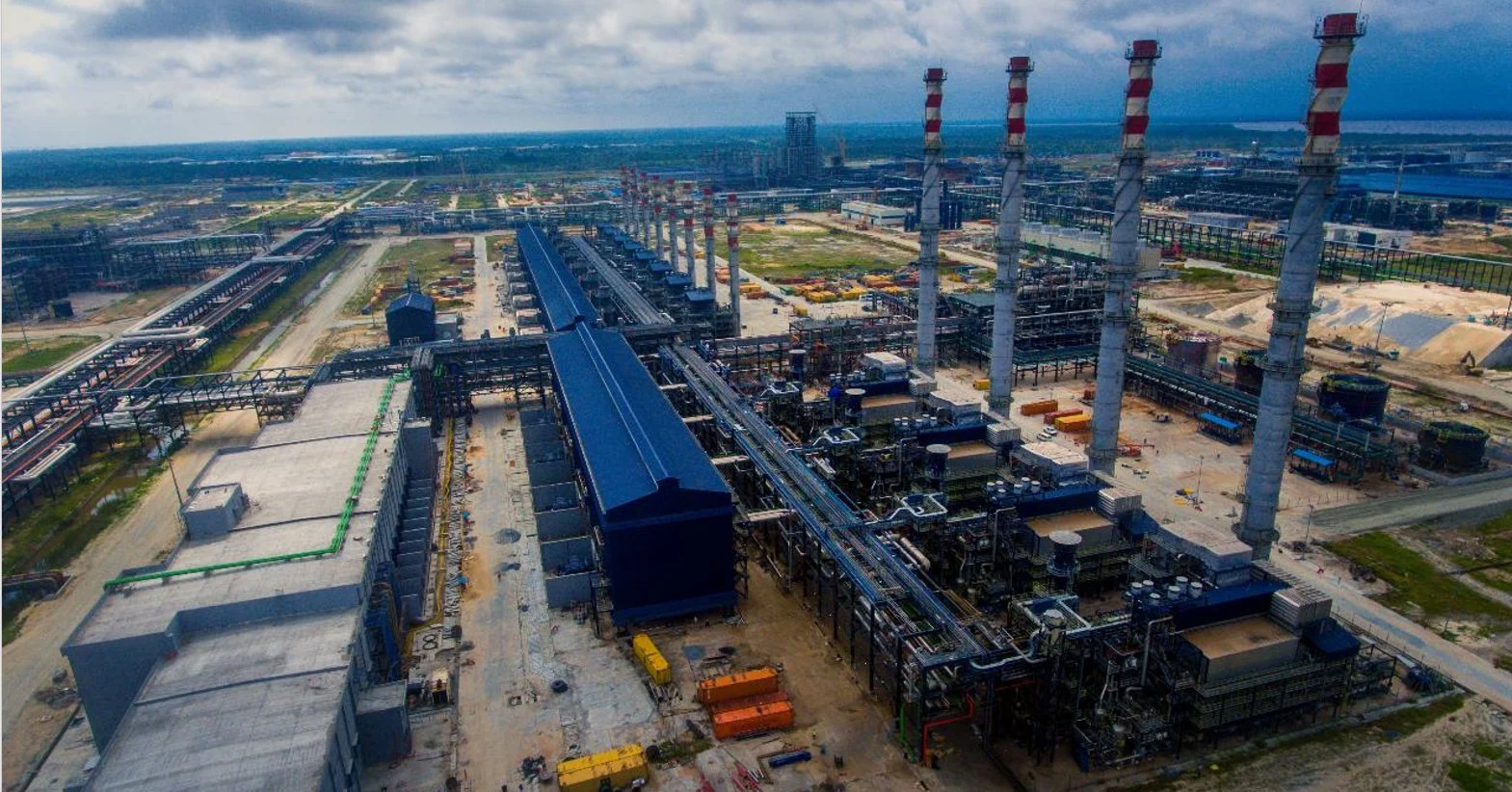
    The Dangote Refinery has expressed dissatisfaction over vessel clearance delays, claiming that the bottlenecks are interfering with business operations and negatively impacting clients.

    The CEO of the refinery, David Bird, said in a letter to the NMDPRA Chief Executive that the delays were causing “unnecessary costs and inefficiencies.”

    “We continue to experience vessel clearance delays, which impact not only the refinery operations but also our customers, adding unnecessary costs and inefficiencies,” he added.

    According to Bird, Nigeria’s PMS needs may still be met by the refinery.

    “Dangote refinery is ready and able to supply 1.5 billion liters of PMS per month (50 million liters per day) in December and January, followed by 1.7 billion liters per month (57 million liters per day) starting in February 2026,” he stated.

    In order to allow the refinery to import crude and feedstocks “unhindered” and to facilitate product lifting by vessels, he asked the Authority for assistance.

    “Please allow the ‘Nigeria First’ policy to work to the benefit of all Nigerians,” Bird continued.

    Additionally, he requested that the regulator send representatives to the refinery starting on December 1 in order to verify and disseminate the refinery’s daily supply levels. He pledged complete openness by publishing production and stock data every day.

    The Reasons Nigeria Still Requires Fuel Imports According to Henry Adigun, Director of the Institute for Energy and Extractive Industry Law, Nigeria is unable to halt PMS imports at this time due to insufficient diversification of local refining capacity.

    In order to fill supply gaps, he clarified that Section 317(9) of the Petroleum Industry Act (PIA) gives the regulator the authority to provide import licenses to businesses that have active local refining licenses or a track record of successful international crude and product trading.

    When the Dangote refinery’s pricing are more competitive, current fuel importers inevitably purchase from it, according to Adigun.

    However, he issued a warning that the refinery cannot keep lowering PMS pricing until favorable conditions in the global market are present.

    He said that Dangote’s recent price reduction, which saw ex-depot gasoline drop from ₦880 to ₦865 per litre, was motivated by declining global crude prices and anticipation of a possible oil-for-naira deal.

    The start of domestic petroleum production from the Dangote Refinery has changed Nigeria’s downstream operations by lowering imports, improving stability, and testing regulatory requirements under the PIA 2021, according to petroleum economist Prof. Wumi Iledare.

    Although there are still issues like unreliable crude supply, infrastructural constraints, regulatory overreach, and market dominance, he added the advantages include foreign exchange savings and inflation moderation.

    “Operationalizing transparent supply arrangements, enforcing PIA provisions, de-bottlenecking logistics, overseeing competition, and ensuring data transparency through public dashboards are priority actions,” he stated.

    To maintain a balanced downstream market, he said Nigeria needs to keep an eye on logistical KPIs, import quantities, pricing trends, scarcity occurrences, and refinery production.

  • Delta State Police Re‑Enforce Fireworks Ban Ahead of Yuletide, Warn of Strict Enforcement and Penalties

    Delta State Police Re‑Enforce Fireworks Ban Ahead of Yuletide, Warn of Strict Enforcement and Penalties

    Delta State Police Re‑Enforce Fireworks Ban Ahead of Yuletide, Warn of Strict Enforcement and Penalties

    …..recover fireworks worth millions of naira

    By Naomisophyblog

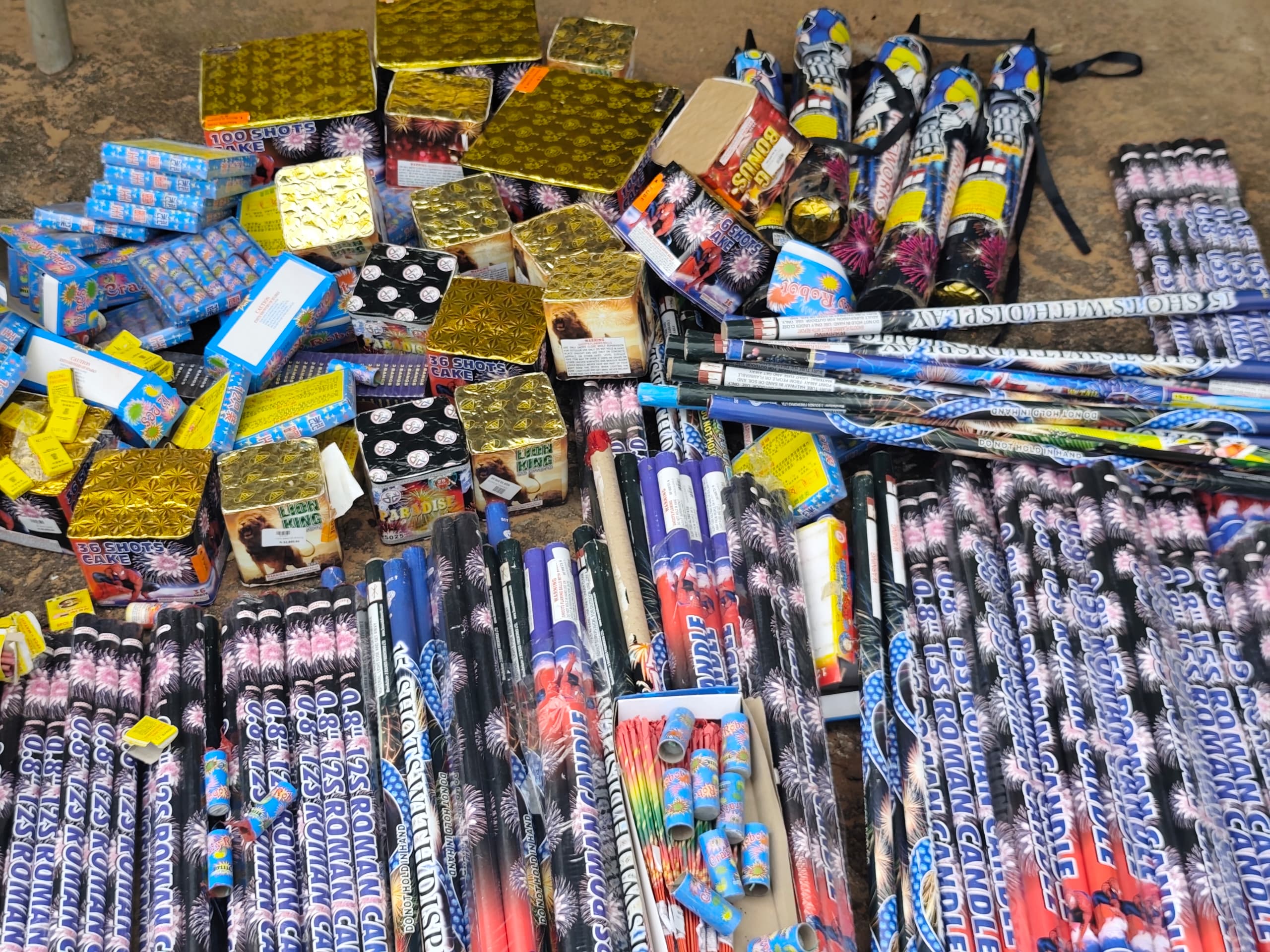
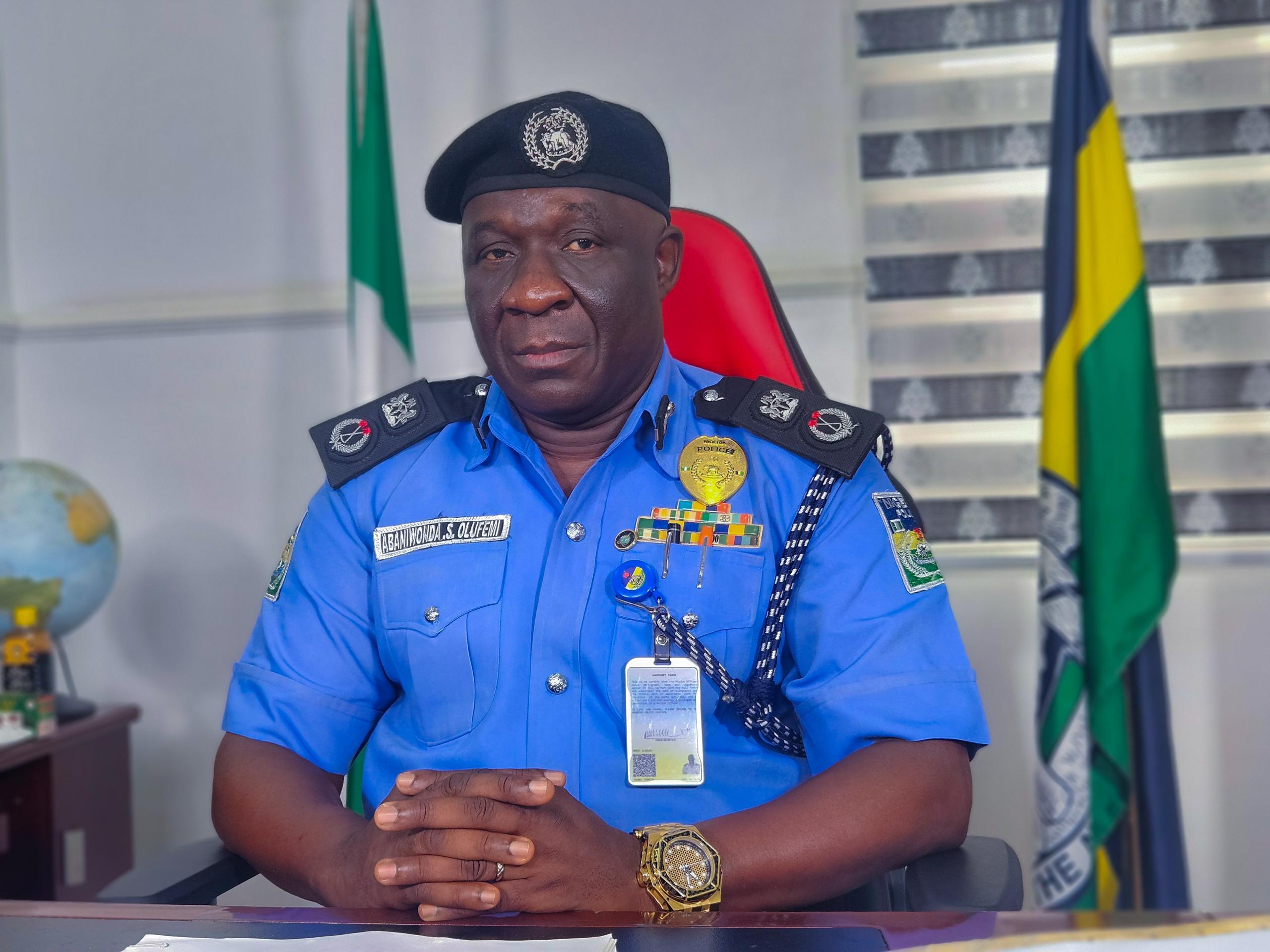
    As part of measures to ensure a safe and peaceful Yuletide season, the Commissioner of Police, Delta State, CP Olufemi Abaniwonda has reiterated that the ban on fireworks is still in force and that it will be enforced strictly, which includes the use, sale, and display of pyrotechnics, including fireworks and firecrackers known as ‘knock-out’, and ‘banger’. This decision comes as part of ongoing efforts to prevent and reduce crime, as experience shows that criminally minded persons can take advantage of this to unleash terror on law-abiding residents.

    On this note, parents and guardians are advised to caution their children and wards to desist from using these items, and retailers are equally warned to withdraw from the sale of these products, as anyone found wanting will be arrested and prosecuted, and their goods impounded.

    To this end, the Commissioner of Police has directed the DCP Operations DCP Olumuyiwa Adejobi, all Area Commanders, Divisional Police officers, and Tactical Commanders to monitor strict compliance and address any violations within their respective Areas of Responsibility. Furthermore, the CP appreciates the cooperation of Deltans in upholding this ban, and citizens are enjoined to always report incidents of the use or sale of fireworks to the nearest police station or by calling the command control room numbers:
    – 08036684974
    – 08114895600
    – 08025666914
    Wishing all Deltans a Merry Christmas and a prosperous New Year in Advance.

    SP. Bright Edafe, ANIPR, FCIA, FIPMD, PPRO Delta State Command Asaba, related this report to the press on Monday, December 2, 2025.

  • Drug war: NCWS commends President Tinubu, Marwa, seeks collaboration with NDLEA

    Drug war: NCWS commends President Tinubu, Marwa, seeks collaboration with NDLEA

    Drug war: NCWS commends President Tinubu, Marwa, seeks collaboration with NDLEA

    By Naomisophyblog

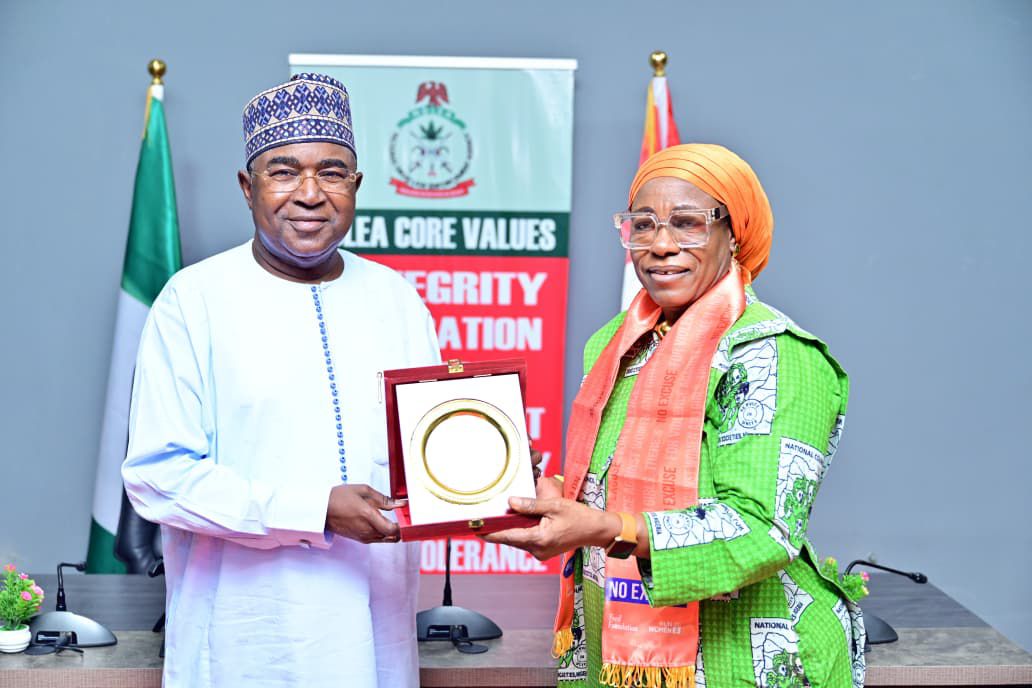
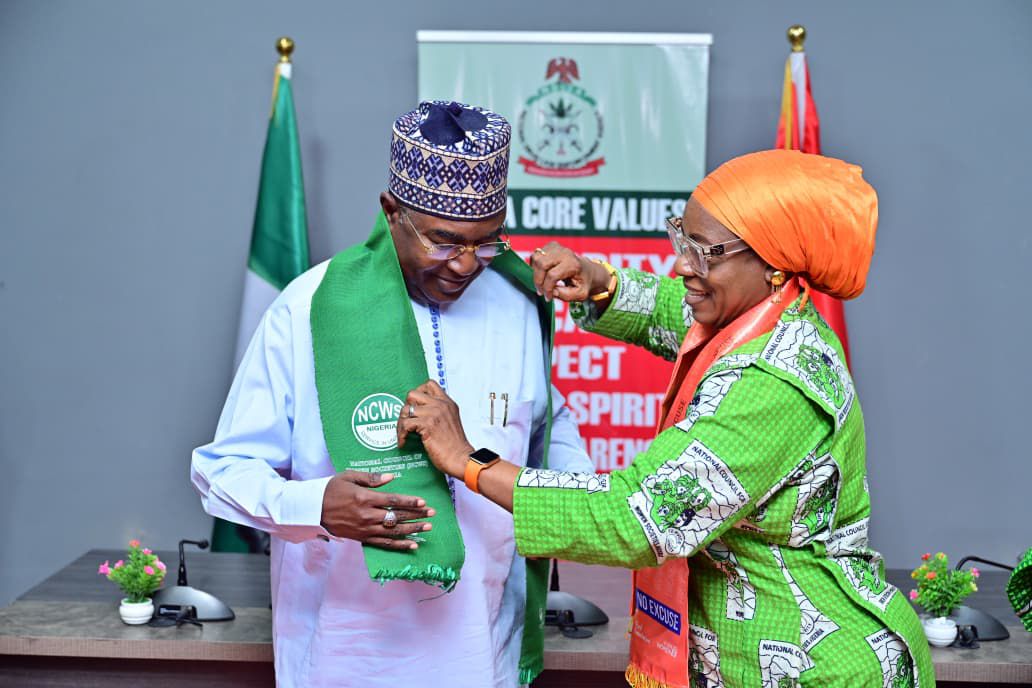
    The National Council of Women Societies (NCWS) Nigeria has commended President Bola Ahmed Tinubu over the reappointment of Brig Gen Mohamed Buba Marwa (rtd) as Chairman/Chief Executive Officer of the National Drug Law Enforcement Agency for another term of five years, a decision the Council says will further strengthen and consolidate the ongoing effort against substance abuse and illicit drug trafficking.


    National President of the NCWS, Princess Edna Azura who gave the commendation when she led other leaders of the Council on a courtesy visit to Marwa at the Agency’s national headquarters in Abuja on Wednesday 3rd December 2025 called for more collaboration between the women’s group and NDLEA in the area of joint sensitization programmes in schools, markets, and communities as well as training of women leaders in drug use prevention, treatment and care.


    “We want to appreciate President Bola Ahmed Tinubu for this wonderful opportunity that he has given you extra five years. We are very, very grateful. This renewal is a clear national endorsement of your monumental contributions to national security, public health, women and youth protection. We are confident that your continued leadership will further fortify the nation’s fight against drug trafficking and promote sustainable peace and stability”, she noted.

    She described Marwa’s leadership at NDLEA as transformative and inspiring. “Over the years, you have demonstrated what strong ethical and visionary public service truly means. Under your leadership, the Agency has recorded unprecedented achievements from dismantling sophisticated drug trafficking networks to intercepting record level quantities of illicit substances, improving intelligence driven operations, expanding community based preventive education and strengthening rehabilitation pathways for victims of substance abuse. We are very grateful for that. These achievements are not just institutional milestones, they represent hope for millions of families, especially women and children, who often suffer the silent painful consequences of drug related crime, domestic challenges and societal instability”, she stated.

    While seeking further partnership with NDLEA in the fight against the drug scourge, Princess Azura said “at NCWS, we have also been actively mobilising women, mothers, teachers and community groups to participate in the fight against substance abuse. Our ongoing school outreach programmes, advocacy forums and community sensitisation campaigns across the states have proven that when women are fully engaged, prevention becomes more effective.”

    She said the NCWS is eager to explore strategic areas of cooperation with NDLEA, including training of the Council’s national officers and state leaders as community anti-drug ambassadors; joint advocacy campaigns targeting mothers and caregivers; rehabilitation and reintegration especially for women and youths affected by substance abuse, among others.
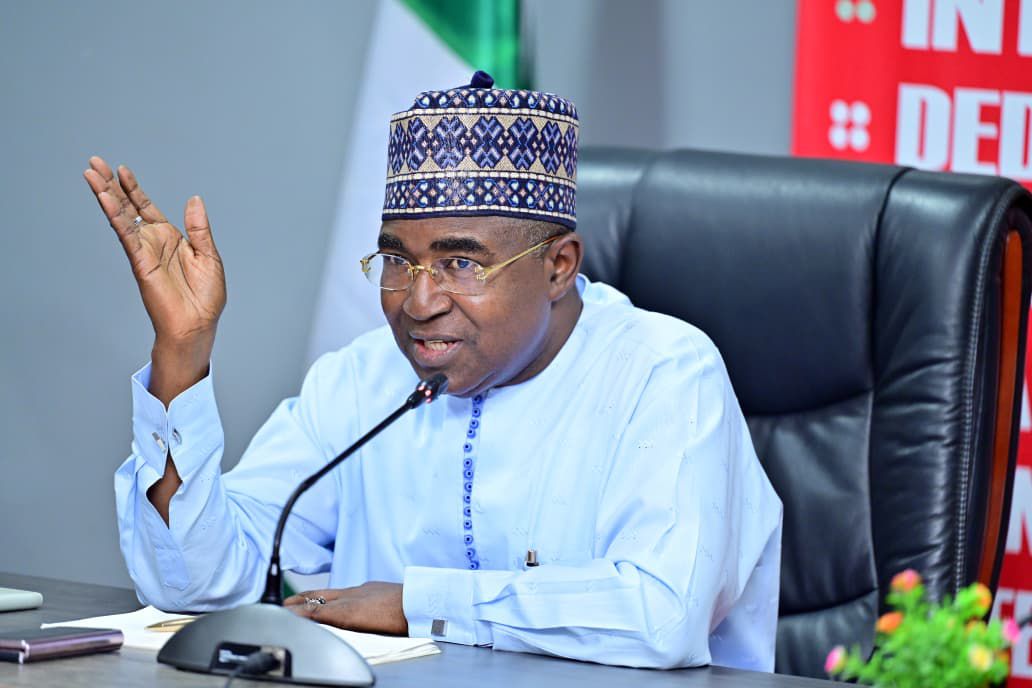
    In his response, Marwa expressed appreciation to the NCWS leaders for the visit and their kind remarks about him and President Tinubu. He said as the umbrella body for all women societies across the country, it is imperative for NDLEA to partner with the NCWS. He said the Agency considers the drug menace as Nigeria’s number one problem today because it affects everyone and every community directly or indirectly, adding that with a population of about 15million drug users, there’s the need for a whole of society response.

    “So, this is a big challenge and government cannot handle it alone, we have to have the whole of society to work with us. So NCWS, we don’t have any bigger partners than you because you are the mothers handling families all over the country, and it is very, very critical that you stand up. You have to stand up and be part of this struggle to redeem the souls of our young boys and girls, including the women who are afflicted”, he stated.


    The NDLEA boss assured the women leaders that the NDLEA will not only partner with them but will equally organise Drug Use Prevention, Treatment and Care (DPTC) training to equip them for the task ahead in 2026. “We will hold a DPTC training for you, we usually to do that for governors’ spouses and I think we will tailor it to exactly what you will need, so that you can also take it down to the states, and down to the grassroots.”
    He urged them to also buy in and take ownership of the current push for drug integrity test for intending couples as part of efforts to discourage substance abuse and encourage early detection and treatment, especially among the youth.

    Femi Babafemi, Director, Media & Advocacy, NDLEA Headquarters, Abuja related this report to the press on Thursday 4th December 2025.

  • ACPN Urges Lawmakers to Scrap Unnecessary New Health Commissions, Emphasizes Strengthening Existing Bodies

    ACPN Urges Lawmakers to Scrap Unnecessary New Health Commissions, Emphasizes Strengthening Existing Bodies

    ACPN Urges Lawmakers to Scrap Unnecessary New Health Commissions, Emphasizes Strengthening Existing Bodies

    By Naomisophyblog

    The Association of Community Pharmacists of Nigeria (ACPN) has cautioned the National Assembly against what it described as “unnecessary bureaucracies” in proposed amendments to the National Health Act (NH-Act) 2014 and the creation of additional health commissions.

    The position was contained in a statement jointly signed by the ACPN National Chairman, Pharm. Ambrose Igwekamma Ezeh, MAW, and National Secretary, Pharm. Omokhafe Ashore, FPSN, following Public Hearings held at the House of Representatives on November 18, 2025, and at the Senate on November 24, 2025.

    According to the ACPN, various groups had pushed for the establishment of a Surrogacy Commission, a National Accreditation and Standards Commission, a Tertiary Health Institutions Commission, and Sickle Cell Research and Therapy Centres across all six geopolitical zones and the FCT. But the association described these proposals as legally unnecessary, economically unrealistic, and administratively wasteful.

    The group argued that the National Health Act already created the National Tertiary Health Institutions Standards Committee (NTHISC), which holds the lawful mandate to regulate tertiary hospitals, accreditation processes, organ procurement/trafficking controls, and related standards.

    “The attempt to create three Commissions from the legal structures established in NH-Act 2014 is unnecessary,” the ACPN said. “All endeavours pertaining to the regulation of organ trafficking and procurement, surrogacy, and the monitoring and regulatory appraisals of standards or accreditation of Tertiary Hospital Facilities is already lawfully vested in the NTHISC.”

    The association added that what has been lacking is not new commissions, but proper opp[doversight and adequate budgetary support for existing regulatory structures.

    “What is missing has been adequate oversight responsibilities by the National Assembly, which ought to insist on providing a robust budget that positions the NTHISC to carry out its statutory responsibilities,” the statement said.

    While acknowledging the burden of sickle cell disease in Nigeria, the ACPN criticised the proposal to establish seven Sickle Cell Research and Therapy Centres simultaneously. “A proposal to set up seven Research and Therapy Centres at once is both preposterous and unrealistic,” the association warned.

    It noted that existing national research institutions — including the Nigeria Institute of Pharmaceutical Research and Development (NIPRD) and the Nigeria Institute of Medical Research (NIMR) — remain severely underfunded.

    “Presently, NIPRD doesn’t enjoy a recurrent or capital expenditure budget of up to 20 million monthly, which is why the pace of development is not upbeat in this Research Institute,” the statement noted.

    The ACPN also criticised the proposed organogram for the new centres, describing it as “unprecedented in international best practices and extremely ridiculous.”

    Instead, the association recommended: “What looks pragmatic is to set up one central Sickle Cell Research Centre and establish more therapy centres in the 73 Federal Health Institutions to improve advocacy, counselling, and treatment of Nigerians rather than creating new jobs ‘for the boys’ in an already battle-weary Health Sector.”

    The ACPN further expressed concern about what it termed a systemic failure of governance at the Federal Ministry of Health (FMoH), accusing current leadership of partisanship and neglect.
    According to the statement, the sector is witnessing:
    Non-reconstitution of boards of the 73 Federal Health Institutions
    Failure to inaugurate the boards of 13 professional regulatory councils
    Dormant boards of multiple MDAs
    Long-standing vacancies allowed to float for over a year

    The association also drew attention to the ongoing JOHESU strike since November 15, 2025, which it described as a “debilitating paralysis of the FHIs” caused by unpaid 12-year entitlements and worsened by discriminatory policies.
    The ACPN stressed that Nigeria’s limited health funding should compel “very realistic” proposals, not widespread bureaucratic expansion.

    “One of the challenges, despite the highlighted absurdities, is a paucity of funds to support needed healthcare initiatives,” the association said. “This must therefore compel a very realistic initiation of proposals in public interest.”
    The statement concluded with a firm appeal to legislators: “Finally, the ACPN urges the National Assembly to polish its appendages, such that we canvass new bureaucracies only when it becomes obviously inevitable to drive a new era of success stories.”

  • Ndi Igbo Ga Adi Association Celebrates First‑Year Milestones with Awards and End‑of‑Year Gala in Lagos

    Ndi Igbo Ga Adi Association Celebrates First‑Year Milestones with Awards and End‑of‑Year Gala in Lagos

    Ndi Igbo Ga Adi Association Celebrates First‑Year Milestones with Awards and End‑of‑Year Gala in Lagos

    By Naomi Onome

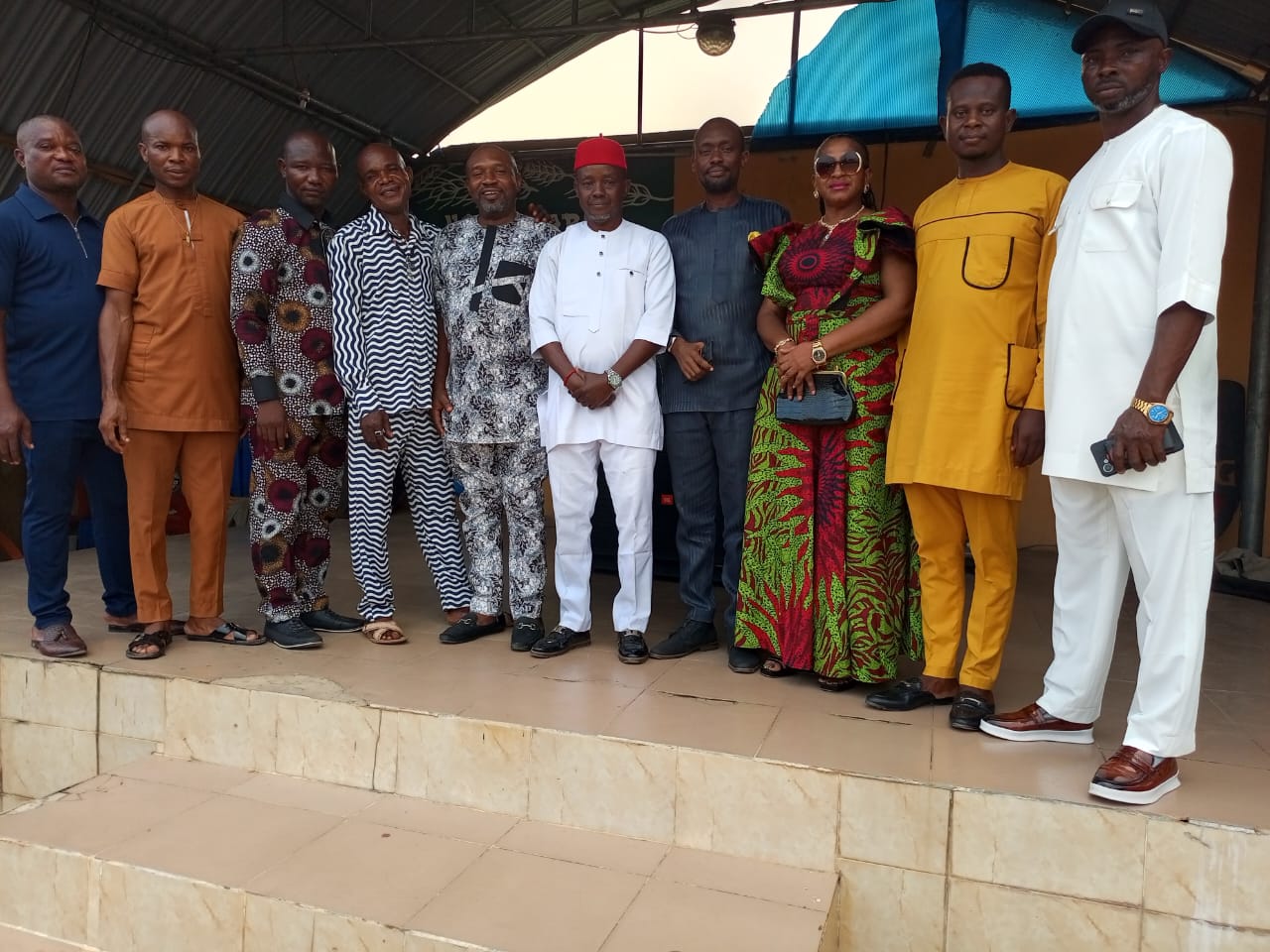
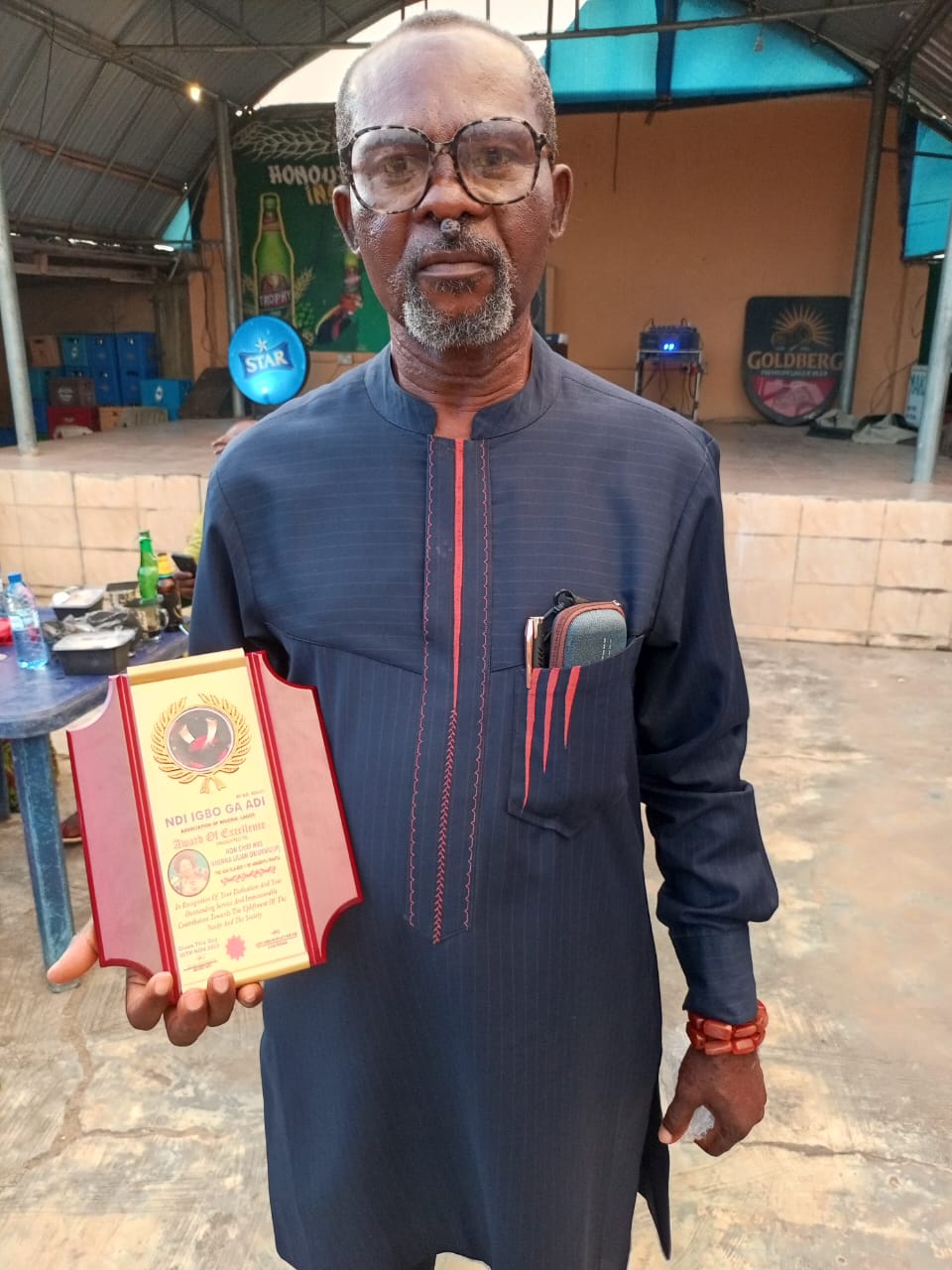
    The Igbo association, namely the Ndi Igbo Ga Adi Association of Nigeria, held its maiden edition of the awards programme at the association’s end-of-year event on Sunday, November 30, 3025, in Lagos.

    The event, which attracted dignitaries from all works of life, also had four distinguished award recipients recognised for their immense contribution in their different spheres of endeavours.

    The Ndi Igbo Ga Adi Association, which is barely a year old according to its founder, Chief Ifeanyi Igwegbe, has achieved immensely by ensuring remarkable goals aimed at uniting the Igbo race, fostering peaceful co-existence, empowering the less privileged, and members being our brothers’ keepers.

    According to Okechukwuku Izuagbanowu, the treasurer of the Ndi Igbo Ga Adi Association of Nigeria, he emphasises the strong foundation and growth of their association, which is nearing its one-year anniversary. He highlights that interest in membership is high, indicating the association’s openness and transparency.

    The criteria for joining the association, Okechukwuku says, include being at least 25 years old and possessing a good job; individuals without employment are not accommodated. This requirement is underscored by the necessity to ensure that members contribute financially to the association, which operates legitimately without any association with criminal activities.

    Okechukwuku points out that both men and women are welcome to join, reflecting an inclusive approach. Among the key attractions for prospective members are the association’s transparency and an upcoming welfare programme that aims to support members in need. This program, he says, may assist with various issues, including legal matters, providing members a safety net through the association’s connections, as exemplified by the presence of the DPO from Isheri Police Station at their meeting. The message is clear: as long as members adhere to legitimate practices, the association is committed to supporting them in times of need, Okechukwuku affirms.

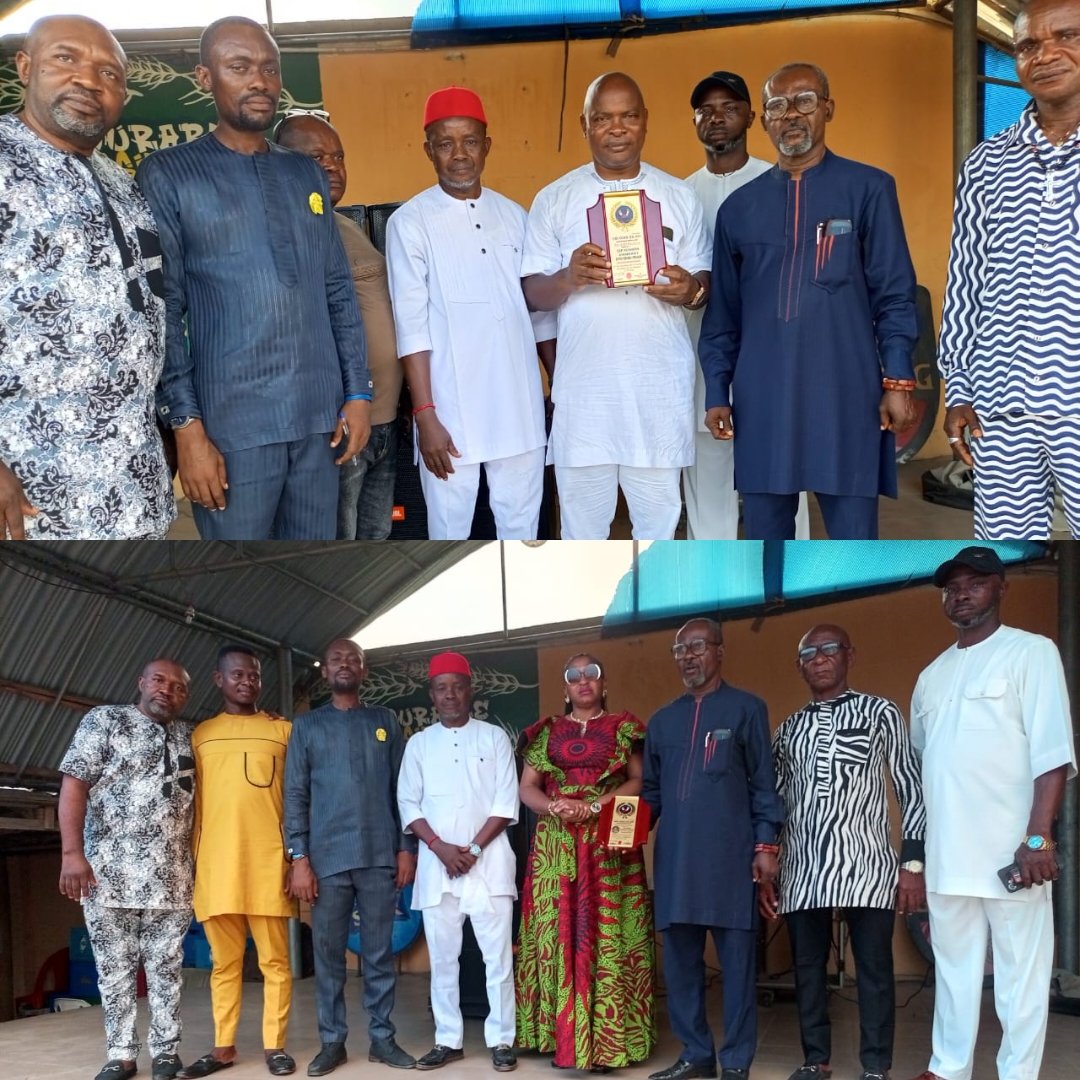
    A representative of Chief Mrs Lillian, an awardee at an event, expressed admiration for the association’s commitment to promoting the dignity of the Igbo people, which is crucial for their advancement in Nigeria. He thanked the event organisers for recognising Chief Mrs Lillian’s contributions to fostering Igbo culture and tradition, wishing them well and praying for their continued success and insights for future growth.

    Dr Liberal Ben Madu, secretary of the Ndi Igbo Ga Adi Association in Lagos, reflects on the significant growth of the association since its establishment over a year ago. Despite facing numerous challenges that led to a decline in membership from over thirty, the association has managed to rebuild and achieve notable milestones in the current year, which Madu attributes to divine grace. He emphasises the importance of integrity among members, especially executives, and highlights that financial stability is crucial for sustaining the organisation.

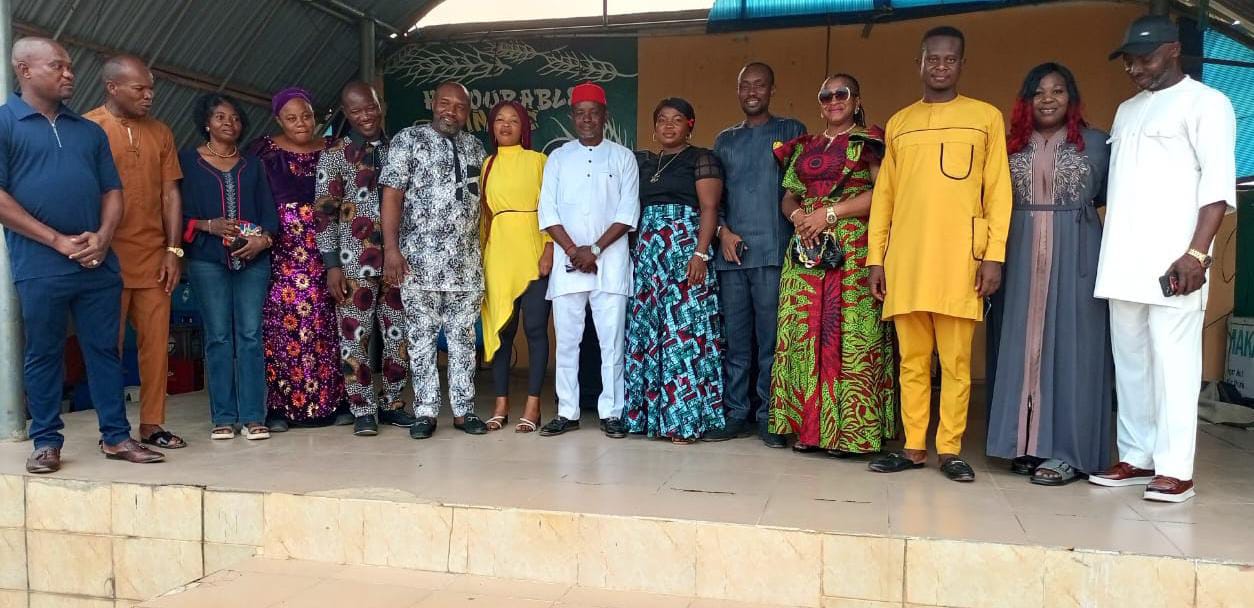
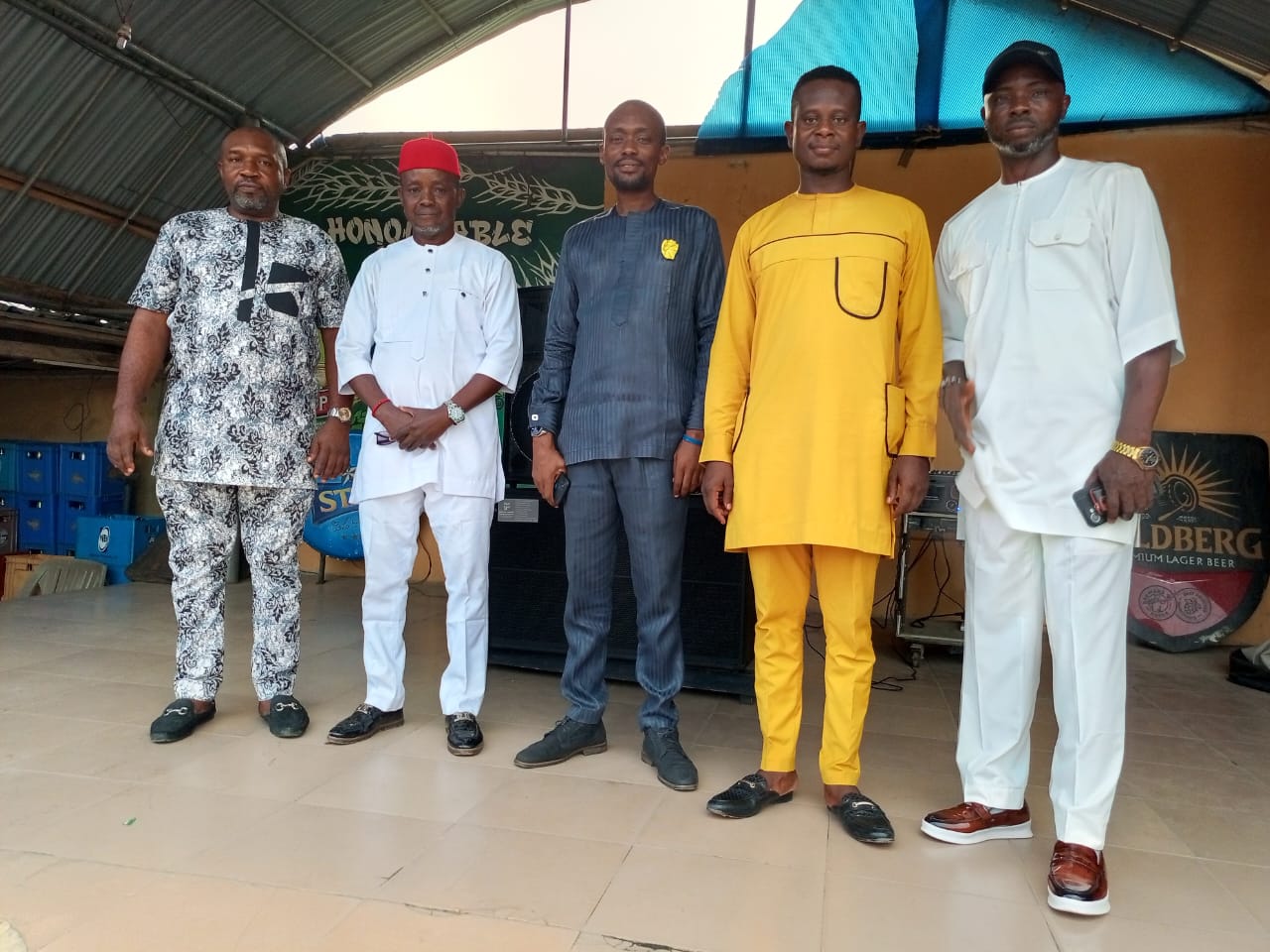
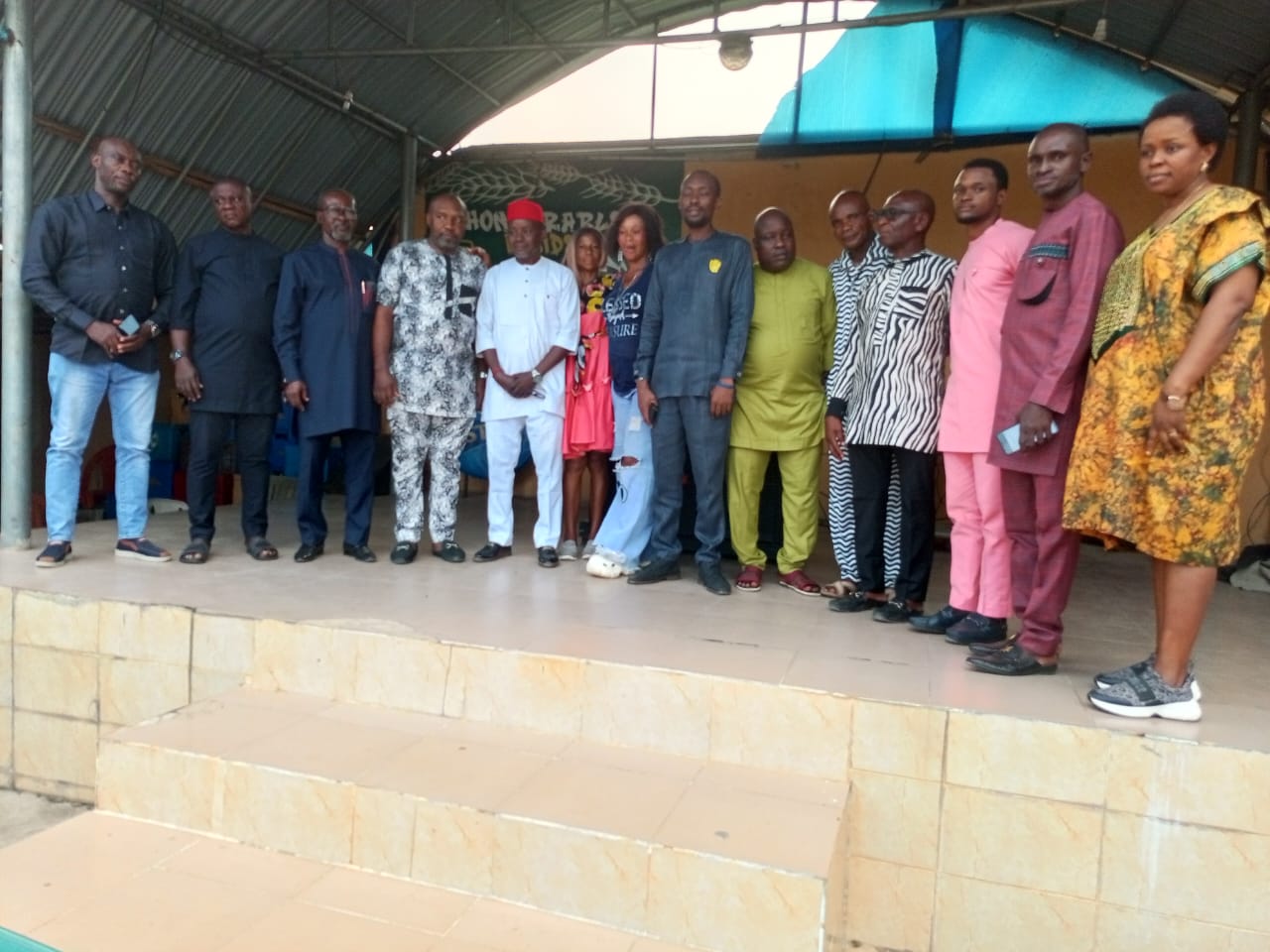
    Looking forward, Madu expresses optimism for continued growth in strength and unity, identifying the need for maintaining integrity and addressing financial challenges as critical for future success. He envisions the Ndi Igbo Ga Adi Association Lagos as more than just an organisation; it represents a movement aimed at uniting Igbo people in Lagos and enhancing the welfare of its members and surrounding communities.

    Madu confirms that the association has long been involved in philanthropic activities, particularly through visiting orphanages and supporting local communities. He reaffirms their commitment to continue these efforts, promising further initiatives geared toward helping the less privileged and ensuring the organisation’s lasting impact under the leadership of Chief Comrade Ifeanyi Igwegbe. Overall, Madu’s reflections convey a message of hope, determination, and a strong sense of community within the association.

    The Ndi Igbo Ga Adi Association, established in Lagos, Nigeria, is led by Chief Comrade Ifeanyi Igwegbe, its chairman and founder. Formed 11 years ago, the association aims to unite members of the Igbo community while fostering peaceful coexistence with other tribes and assisting the needy. According to Chief Ifeanyi Igwegbe, the association has made significant achievements, including formal registration with the Corporate Affairs Commission (CAC) and providing insurance coverage for its members, which amounts to 500,000 Naira in cases of critical illness, 400,000 Naira for permanent disability, and 1 million Naira upon death.

    Chief Ifeanyi further said,

    “Membership in the association requires a one-time registration fee of 10,000 Naira, along with monthly dues of 2,000 Naira, from which 1,000 Naira is allocated for insurance renewal. The association seeks to support its members through financial aid for struggling businesses and protection against intimidation, asserting that they will defend members in need, excluding individuals involved in serious crimes.”

    “Looking ahead, the association envisions building financial stability among its members, with goals of creating millionaires and establishing a healthcare project that provides immediate medical assistance without upfront costs. The association has also been engaged in charitable activities, including support for motherless babies and widows, and they plan future charitable visits. However, the Ndi Igbo Gadi Association emphasises community strength, member welfare, and mutual support.”

    Chief Mrs Ngozi Isabella Akano, known as Chelsea Mama, leads the women’s wing of the Ndi Igbo Ga Adi Association of Nigeria, which focuses on unifying Igbo groups through love and solidarity. The association, she says, prioritises empowerment, especially for women and underprivileged children, ensuring they receive proper care and support. Looking ahead, Chelsea Mama expresses confidence in the progress of the association, emphasising the importance of resources and membership growth to achieve greater heights by December 2026. She affirms the organisation’s mission revolves around community building and enhancement through collective action and support.


  • Group Hails Ojulari as NNPC Posts N5.4 Trillion Profit, Evidence of Successful Reforms

    Group Hails Ojulari as NNPC Posts N5.4 Trillion Profit, Evidence of Successful Reforms

    The Nigerian National Petroleum Company Limited (NNPCL) reported a Profit After Tax of ₦5.4 trillion for the 2024 fiscal year, which the Centre for Energy Accountability and Reform (CEAR) praised as a historic achievement for Nigeria’s oil business.

    In a statement on Tuesday, December 2, in Abuja, the group said the result, issued by NNPC’s Group Chief Executive Officer, Bayo Ojulari, demonstrates that the national oil firm is finally reacting to disciplined management and modern commercial changes.

    The statement, signed by CEAR’s Executive Director, Dr Ibrahim Ahmed, said the new profit figure marks a 64 per cent year-on-year leap from the ₦3.297 trillion recorded in 2023, while revenue surged by 88 per cent to ₦45.1 trillion, boosted by higher production volumes and strengthened downstream reforms.

    “This profit performance is not accidental. It indicates a purposeful, disciplined shift in how NNPC Limited is run, one that prioritises efficiency, transparency and commercial viability,” CEAR said.

    “Under Bayo Ojulari’s watch, the company has shown that a national oil company can be profitable, globally competitive and strategically aligned with national development goals.”

    CEAR credited NNPC’s change since its transition into a limited liability company, saying Ojulari has helped stabilise operations, reduce cost structures and reestablish investor confidence at a time when global capital is increasingly sensitive to governance.

    Ahmed pointed out that the performance is consistent with President Bola Tinubu’s Renewed Hope Agenda, particularly the administration’s emphasis on improved sector governance and fiscal sustainability.

    Reforms in the upstream, middle, and downstream segments have started to address years of underinvestment, vandalism, inefficiency, and regulatory conflict, according to CEAR.

    The Center acknowledged the fall in foreign exchange earnings reported in NNPC’s 2024 statement, but stated that it highlights the necessity of ongoing reforms to boost production, raise gas output, and strengthen local value-addition.

    “The path to long-term stability must be investment-led and production-driven,” Ahmed remarked.

    CEAR praised NNPC’s medium-term plans to boost crude oil output to two million barrels per day by 2027 and three million barrels per day by 2030, calling it as “the kind of ambition the sector needs.”

    Additionally, it praised the oil company’s anticipated “strategic foresight for energy transition” of increasing gas production to 12 billion standard cubic feet per day by 2030.

    The group also applauded NNPC’s goal to raise $60 billion in new investments throughout the oil and gas value chain, claiming that this capital expansion will reinforce earnings, increase employment, and stabilize Nigeria’s energy transition.

    “With this performance, NNPC Limited has sent a clear message that Nigeria’s energy sector can work, and work profitably, when guided by clear vision and competent management,” Ahmed added.

    The Centre urged regulators, industry stakeholders and political players to avoid distractions and continue backing the changes that are restoring credibility to Nigeria’s petroleum value chain.

  • Kidnappers Murder Apostle Arome Osayi’s Brother Even After Ransom Was Paid

    Kidnappers Murder Apostle Arome Osayi’s Brother Even After Ransom Was Paid

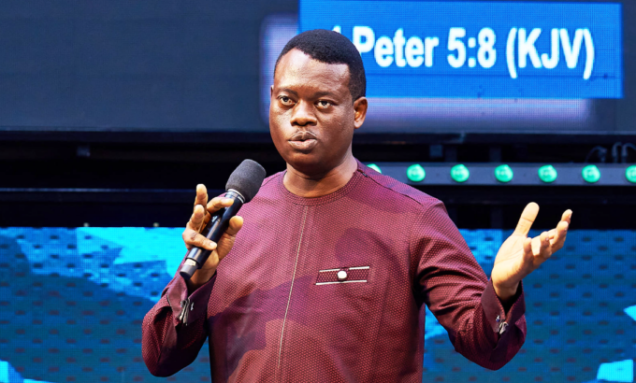
    Apostle Arome Osayi, a well-known Christian evangelist, has described the agonizing experience of his brother’s kidnapping and final death, even though the family paid a ransom totaling millions of naira.

    It was stated that Apostle Osayi talked during a recent sermon, where he spoke up for the first time on how the tragedy occurred and how he managed to remain emotionally stable through the trauma.

    Osayi, who was clearly sober, remembered how terrorists kidnapped and imprisoned his brother in a wilderness. Despite completing all the kidnappers’ demands, including paying a hefty ransom, the conclusion was tragic, he noted.

    In his words: “My brother got kidnapped, he died in captivity after we had paid heavy ransom in millions… collected the money and they now called us to come and collect the corpse. I hope you realize nothing hurts like that and then you see your own brother’s body dead in the jungle. Nothing hurts like that, I hope you know.

    After such a traumatic negotiation, Apostle Osayi claimed it was impossible to describe the shock of receiving his brother’s lifeless body.

    He clarified that although being profoundly shaken by the event, he deliberately chose not to let his feelings control him.

    “Ask my wife, I never shed a tear, not because I wasn’t emotionally attached to him, but because I know the Scriptures,” the cleric stated.

    He claims that although the event put his emotional equilibrium to the test, he found strength in his knowledge of the Bible. He said, “If you know the Scriptures, you will never allow yourself slip into excessive grief or excessive excitement. You will dwell in between.

    “So yes, I didn’t shed a tear because I didn’t want to give Satan an opportunity to preach to me. And we are still here, we have not broken down. Your most prevalent thoughts determine how your life unfolds.

    Apostle Arome emphasized that the agonizing loss did not break him, pointing out that he consciously chose to protect his spirit and mind amid the ordeal.

  • U.S. Lawmakers Hold Briefing on Alleged Christian Persecution in Nigeria

    U.S. Lawmakers Hold Briefing on Alleged Christian Persecution in Nigeria

    A bipartisan congressional briefing on the purported persecution of Christians in Nigeria is scheduled for Tuesday, according to the US House Appropriations Committee.

    Congressman Riley Moore announced on Tuesday that Mario Díaz Balart, the chairman of the National Security Subcommittee and vice chair of the Appropriations Committee, will chair the meeting in Washington.

    Key Appropriators and members of the Foreign Affairs and Financial Services panels will attend the closed-briefing session scheduled for 10:00 a.m. Eastern Time, according to committee officials.

    Officials of the committee announced that officials from the United States Commission on International Religious Freedom, as well as independent security and faith-based experts, will submit evidence during the session.

    Briefing organisers stated that testimony from the roundtable will form the backbone of a detailed dossier being developed for the White House.

    The roundtable will collect testimony for a thorough report “directed by President Trump on the massacre of Nigerian Christians and the steps Congress can take to support the White House’s efforts to protect vulnerable faith communities worldwide.”

    Meanwhile, the briefing is being held at a time when the governments of Nigeria and the United States are boosting up security collaboration, following high-level talks held in Washington.

    It was claimed that President Bola Tinubu recently accepted Nigeria’s delegation to the US-Nigeria Joint Working Group, which was formed from security agreements reached during discussions headed by Nigeria’s National Security Adviser, Mallam Nuhu Ribadu.

    Nigeria’s team includes senior ministries, intelligence chiefs, and defence officials tasked with strengthening counterterrorism operations, intelligence sharing, border security, and cooperation around humanitarian and civilian safety concerns.

  • Economists Explain Why Nigeria’s 3.98% GDP Growth Hasn’t Eased Living Costs

    Economists Explain Why Nigeria’s 3.98% GDP Growth Hasn’t Eased Living Costs

    In the third quarter of 2025, Nigeria’s economy grew by 3.98 percent.

    Africa’s most populous nation had successive growth because to non-oil industries like agriculture and services, according to figures released by the National Bureau of Statistics on Monday.

    Nigeria’s national GDP climbed to N113.59 trillion in nominal terms, while real GDP was recorded at N57.03 trillion in the third quarter of 2025.

    NBS data stated that the agriculture sector rose by 3.79 percent, an improvement from the 2.55 percent registered in Q3 2024.

    However, the services sector remained the country’s economic engine driver, providing 53.02 percent of overall output, followed by agriculture at 31.21 percent.

    In the Q3 GDP figures, trade, real estate, financial services, and information communications technology were some of the top performers.

    Economists point to a gap between macroeconomic and microeconomic levels, and while macroeconomic achievements are praiseworthy, microeconomic conditions have continued to deteriorate.

    According to economists and financial analysts, the weak transmission mechanism is why the cost of living has remained elevated for the majority of Nigerians.

    In a separate interview on Monday, the Executive Officer of SD & D Capital Management, Gbolade Idakolo, a renowned economist and former president and chairman of the Council of the Chartered Institute of Bankers, Prof. Segun Ajibola, a former president of CIBN, Mazi Okechukwu Unegbu, and university don, Prof. Godwin Oyedokun revealed a major problem with Nigeria’s GDP growth rate.

    Despite the GDP growth rate, living standards have not decreased, according to Prof. Ajibola

    Prof. Ajibola hailed Nigeria’s sustained GDP growth as “encouraging,” especially with greater contributions from real-sector sectors such as agriculture.

    He pointed out that the harvest season usually sees an increase in agricultural output, which improves the sector’s overall performance. He claims that although food prices have decreased recently, the entire cost of life is still high due to high energy, transportation, and storage expenses as well as ongoing security issues.

    He, however, emphasized that while the increased GDP growth rate signifies a measure of macroeconomic stability, it does not inevitably translate to better living conditions for average Nigerians.

    He emphasized that Nigeria’s “weak transmission mechanisms” between household welfare and macroeconomic benefits continue to be a significant obstacle.

    “It will take a combination of monetary, fiscal, and political efforts to strengthen the links between the nominal and real segments of the economy for the benefits of growth to cascade down to the mass of the people,” he said.

    CEO Idakolo is struggling with high living expenses despite the GDP growth rate.

    According to Idakolo, Nigeria’s most recent GDP statistics shows the effects of specific government initiatives in the agriculture sector, but he cautions that many people are still struggling to keep up with growing living expenses.

    He remarked that recent government initiatives are beginning to yield benefits. He emphasized governmental moves such as enhanced state-level collaboration—including the Lagos–Kebbi cooperation for Lake Rice production—the easing of the restriction on selected food imports, and expanded government support targeted at improving the economic environment for farmers.

    He claims that some staple food prices have decreased throughout markets as a result of these measures.

    Despite this development, Idakolo noted that the economic reality for many Nigerians remain severe. He pointed out that the existing minimum salary of N70,000 is still insufficient for most households, given the prevailing cost of food items and other needs.

    Despite recent improvements in the agricultural sector, he claimed that “most Nigerians still find it difficult to meet their basic feeding needs” because of the disparity between declining food prices and residents’ purchasing power.

    Why Nigerians should be suspicious about Nigeria’s GDP growth rate in Q3 | Unegbu

    According to Unegbu, Nigerians should exercise care while interpreting the most recent GDP data.

    He claims that while the figures show progress, they might not accurately represent the state of the economy today.

    In any case, the GDP growth rate in Q3 2025 was 3.98 percent. Since a lot of time has elapsed by the time you read the numbers, it might not be an accurate representation. However, even though we are unable to observe the effects on the market, I believe Nigeria is making progress.

    Unegbu remarked that while development is obvious on paper, Nigerians are still waiting to feel its effect in their everyday economic lives.

    Without aid for homes, it is meaningless, according to Prof. Oyedokun

    Oyedokun, for his part, called Nigeria’s 3.98 percent GDP growth in the third quarter of 2025 a “mixed picture,” stating that the improvements are still far from what the majority of Nigerians actually experience on a daily basis.

    He emphasized that although the agriculture-driven expansion suggests an expanding economy, it has not translated into decreased living costs or greater welfare for citizens.

    According to Oyedokun, the agriculture sector’s outstanding performance is indicative of higher output, better production cycles, and farmer persistence in the face of ongoing structural difficulties.

    He clarified, “This type of growth typically suggests better food supply, stronger rural productivity, and increased contributions to national output.”

    However, he emphasized that since a number of variables continue to lessen the impact of GDP expansion, Nigerians were right to wonder what the growth actually meant for their means of subsistence.

    According to him, food inflation remains stubbornly high, as insecurity, logistics bottlenecks, rising energy costs and weak transport infrastructure continue to force up prices despite higher agricultural output.

    He said that structural inflation is overshadowing economic advances, driven by exchange rate instability, fuel prices, import dependency and rising production expenditures – all of which erode household purchasing power.

    Prof. Oyedokun went on to say that the increase is not yet inclusive because smallholder farmers, who comprise the majority of the agricultural labor, continue to struggle with low mechanization, weak market connections, and restricted access to credit.

    “Even in a growing economy, households feel poorer because wages are not keeping up with inflation,” he said, adding that it takes time for policy changes to have an influence on living standards, transportation, and prices.

    He emphasized that Nigerians desire progress they can feel, such as stable prices, reasonably priced food, functional markets, and increased spending power, even as he acknowledged the encouraging signal from the most recent GDP data.

    He argued for specific interventions, such as greater storage and processing facilities, lower transportation costs, better security in farming communities, more stable foreign exchange, and policies that assist both large and small-scale producers.

    “Until inflation is tamed and incomes begin to rise, GDP growth will remain encouraging on paper but distant from daily realities,” Oyedokun added.