🌿 Ruzu Non-Alcoholic Herbal Bitters
Ruzu Non-Alcoholic Herbal Bitters is a natural health supplement specially formulated to:
- ✅ Promote general wellness
- ✅ Detoxify the body
- ✅ Support the treatment of various ailments
Made from a powerful blend of 100% organic and medicinal herbs, Ruzu is completely alcohol-free, making it ideal for:
- 👪 All age groups
- 🌱 Health-conscious individuals
- 🌿 Anyone seeking non-alcoholic herbal remedies
Whether you're looking to boost your vitality, cleanse your system, or support healing the natural way, Ruzu Bitters offers a trusted herbal solution.
The government of President Bola Tinubu has declared that 417 grazing reserves will be rehabilitated nationally, citing open grazing as a key contributing factor to the frequent conflicts between farmers and herders in Nigeria.
The strategy is a crucial part of a new livestock transformation agenda that aims to lower insecurity and modernize the industry.
Idi Mukhtar Maiha, the Minister of Livestock Development, reportedly announced this at the National Council on Livestock Development’s (NCLD) inaugural meeting, which took place on Monday, November 24 at the Government House Banquet Hall in Yola, Adamawa State.
He characterized the meeting as a pivotal moment in efforts to create a system that is peaceful, productive, and sustainable as well as a historic change in Nigeria’s livestock future.
“The Open Grazing Era Is Over”
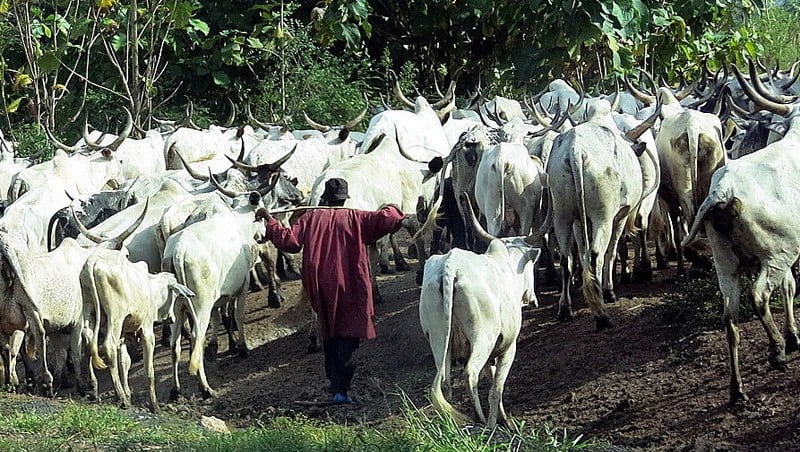
According to Maiha, the government’s new strategy is based on moving Nigeria away from open grazing, which he called antiquated and prone to conflict.
He claims that the only long-term solution to the farmer-herder dilemma is the restoration of grazing reserves into fully furnished Renewed Hope Livestock Villages.
“The open grazing era is unsustainable and a cause of ongoing conflict.” The only solution to the farmer-herder dispute is to transform the 417 grazing reserves into contemporary Renewed Hope Livestock Villages, he claimed.
With better pastures, veterinary care, water infrastructure, schools, clinics, dairy and beef processing facilities, and sustainable energy produced from biogas systems, he continued, each restored reserve would function as an economic center.
He went on to say that since modern ranching ensures security, stability, and increased output, state governments would have to set aside territory for pastoralists who are prepared to adopt it.
Under the direction of the National Livestock Growth Acceleration Strategy (NL-GAS), the one-year-old Ministry of Livestock Development has made notable advancements, according to the minister.
He clarified that by enhancing genetics, raising productivity, and bolstering value-chain investments, the strategy aims to grow the livestock industry from its current $32 billion to $74 billion within five years.
For the first time in almost fifty years, the nation just registered eight new grassland species, according to Maiha. Additionally, he announced the creation of a national genetic resources strategy and a significant increase in the National Veterinary Research Institute’s (Vom) vaccine production capacity, which will boost yearly production from 120 million to 850 million doses.
He added that collaborations with international dairy giants like Nestlé, Arla Foods, Danone, Promasidor, and FrieslandCampina WAMCO have helped the nation double its yearly milk production from 700,000 to 1.4 million metric tons, and that the creation of the Wase Livestock Village has become a model for restoring national grazing reserves. According to him, the L-PRES project has already benefited a number of states with solar-powered boreholes, cattle dips, veterinary clinics, slaughter slabs, and milk collection facilities.
Maiha asserts that in order to avoid impeding progress, all states must adopt a coordinated national strategy to cattle reforms. The livestock industry faces issues that cut across state lines. We have to apply NL-GAS consistently,” he stated.
Reforms Backed by the National Assembly
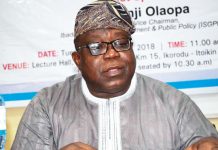
In his message of goodwill, Tasir Olawale Raji, the chairman of the House Committee on Livestock Development, stated that the legislature is completely in line with the reform program of the federal administration.
He cautioned that Nigeria’s livestock production is still much below what the country requires, making it heavily dependent on imports.
Nigeria presently imports 65% of the milk eaten domestically, according to Raji, who also pointed out that the nation’s annual per capita consumption of 8.7 liters of milk, 9 kg of beef, and 45 eggs is much lower than the world average.
In order to improve value addition, modernize production systems, and draw in more private sector investment, he continued, the National Assembly is developing new legal frameworks.
Raji expressed confidence that the NCLD will play a crucial role in expediting the Renewed Hope Agenda and asked stakeholders to provide workable suggestions that would unlock the sector’s full economic potential.
Dr. Chinyere Ijeoma Akujobi, the Ministry’s Permanent Secretary, called the first council meeting a turning point in Nigeria’s livestock transition. According to her, the recently established NCLD will serve as the highest national policy and coordinating organization for directing livestock development throughout the nation.
She claims that the livestock industry is still a key component of President Bola Tinubu’s Renewed Hope Agenda.
In order to create a contemporary and competitive cattle industry, she said, the council will fortify alliances, harmonize regulations, and spur innovation.
Akujobi also praised development partners, especially Propcom, for their contributions, stating that their assistance will enable the production of wealth, enhance livelihoods, and create a robust cattle sector.