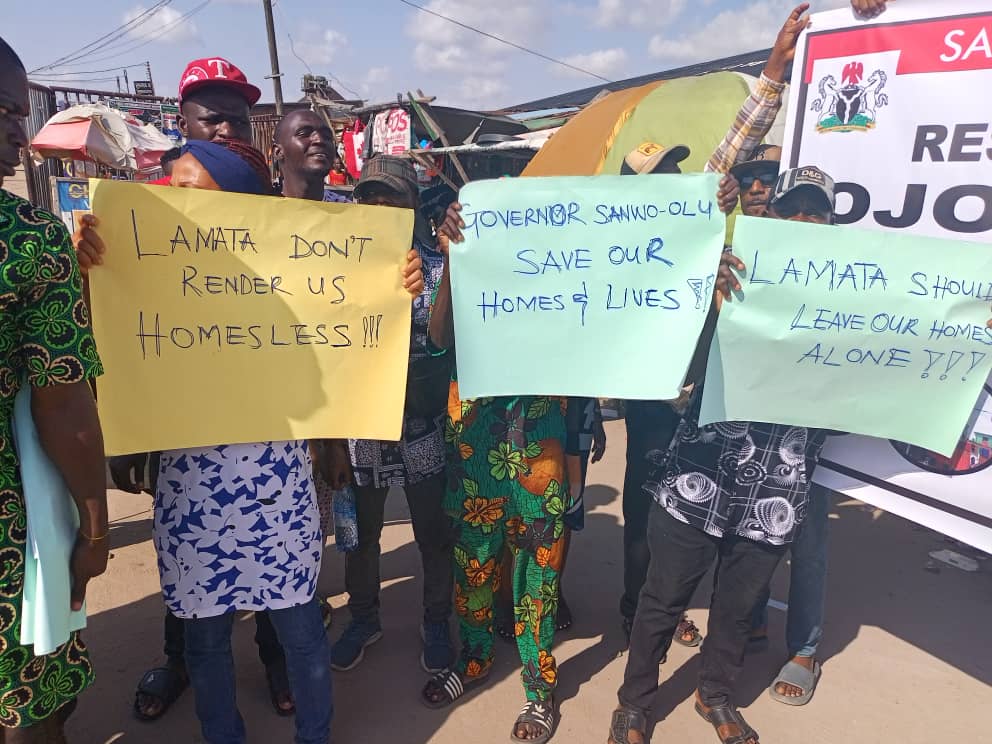
Community Alleges Forced Land Acquisition by LAMATA, Defies Demolition Order in Okokomaiko
By Naomi Onome
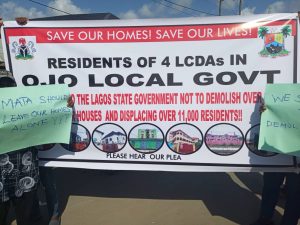
Residents of a four-estate community in Okokomaiko, Lagos, have raised alarm over what they describe as a forceful and unjust acquisition of their homes by the Lagos Metropolitan Area Transport Authority (LAMATA), allegedly backed by armed security personnel.
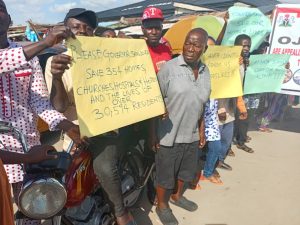
Speaking on behalf of the affected residents, community spokesperson engineer Iniobong Offiong said the incident began on May 8, 2025, when officials accompanied by armed riot police entered the estates without prior notice. According to him, residents were compelled at gunpoint to fill out forms initially presented as part of a census exercise. Only afterward were they informed that their properties had been acquired for demolition within four months.
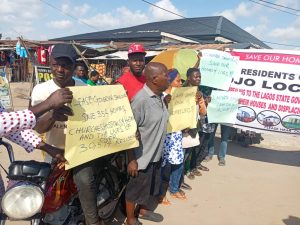
The community, comprising about 315 homes and an estimated population of 20,000 people, includes long-established infrastructure such as schools, hospitals, factories, and commercial facilities. Offiong emphasised that many residents are elderly retirees who have lived in the area for decades.
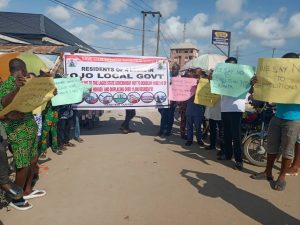
Authorities reportedly justified the planned demolition as being in the “overriding public interest”, citing a proposed rail depot project. However, residents argue that over 50 acres of land previously acquired for the same project during the administration of former Governor Babatunde Fashola remain unused, making the takeover of developed residential areas unnecessary.
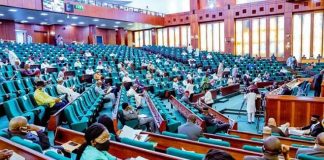
Following unsuccessful appeals to government institutions, including the Lagos State House of Assembly and relevant ministries, the community sought legal redress. A Federal High Court granted an interim injunction halting demolition and related actions. Despite this, residents allege that LAMATA has continued activities in the area, including land surveys, soil testing, and data collection under armed supervision.
Further claims include attempts to persuade tenants to vacate the area with financial inducements and the disconnection of electricity supply, allegedly to weaken resistance among residents.
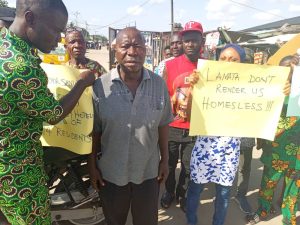
The situation has reportedly taken a toll on the community, with at least one death linked to the distress caused by the development, and another resident said to be suffering severe health complications.
Offiong called on the media and the public to intervene, describing the situation as a humanitarian crisis. He stressed that any compensation offered must reflect the true value of the properties to enable displaced residents to secure comparable housing elsewhere.
Offiong warned that any displacement of residents—many of whom are elderly—could trigger a rise in crime and social instability in the area. He argued that uprooting thousands of people without adequate resettlement plans would create broader societal problems for Lagos State.
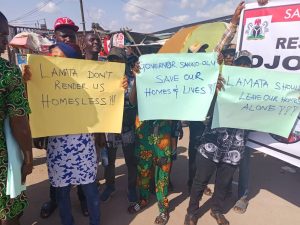
Residents insist they are not opposed to development but are demanding fair treatment, adherence to the rule of law, and respect for their rights as property owners.

More details have emerged from Mr Wale Oseni, a landlord and spokesperson for the Okokomaiko community in Lagos. The community, he says, will continue to resist the alleged forced acquisition of their properties, describing the process as irregular, coercive, and potentially dangerous to public safety.
According to his additional testimonies, the process began in May 2025 with the placement of unsigned and poorly identified notices on buildings within the community. Wale said the notices lacked clear addressing, proper documentation, or verifiable authority, raising early suspicions about the legitimacy of the exercise.
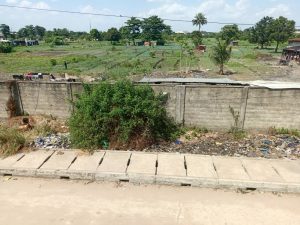
Wale revealed that, subsequently, community representatives were invited to meetings where officials claimed the land was required for a rail project. However, he insists that the land in question was not part of the originally designated area for the project, which already includes a large expanse of previously acquired land.
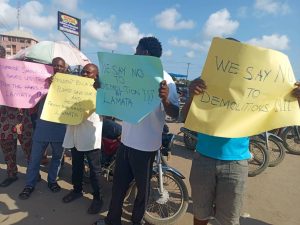
Efforts to introduce compensation were reportedly rejected by the community, who maintain that the land is not under government acquisition and therefore should not be subject to takeover. Tensions escalated when valuation teams, accompanied by security personnel, allegedly forced residents to submit property details under intimidation.
Moreover, a private firm identified by residents as Global Impact Environmental Consulting Limited was said to have participated in the valuation process alongside individuals believed to be linked to the Lagos Metropolitan Area Transport Authority (LAMATA). However, some residents expressed uncertainty about whether the officials present were legitimate representatives of the agency, describing the arrangement as suspicious and possibly a cover for land grabbing.
Further allegations by residents include targeted efforts to persuade tenants to vacate the area, which residents interpret as a strategy to weaken community resistance. The tenants are compensated to vacate the premises of their landlord and are paid at the palace of HRM Oba Dr Sulaimon Adeshina Raji, popularly known as Jafo Authority, who is the Oniba Ekun of Iba Kingdom in Lagos State and is the authority governing the Okokomaiko area.
LAMATA, in collaboration with the Jafo Authority, hands cheques worth N200,000 – 300,000 to tenants of the Okokomaiko community to undermine the landlords who have put up a protest against the demolition of their properties. The residents have declared disinterest in compensation and urge the Governor of Lagos State, Babajide Sanwoolu, to revisit the situation for proper assessment and evaluation.
Residents also revealed that officials from the state’s physical planning department visited the area on two occasions for assessment. According to the community, the officials reportedly found the area to be densely occupied—contrary to earlier claims that the land was largely vacant. A report of their findings is said to have been submitted to the state government.
Attempts to convene a tripartite meeting involving the community, government representatives, and physical planning authorities reportedly failed, as those identified as representatives of LAMATA did not attend.
The community maintains that the original master plan for the rail project should be followed, insisting that the current move to acquire their land deviates from established plans. They further allege that the true motive behind the acquisition may be to resell the land for private gain.
Residents are calling for transparency, adherence to due process, and immediate suspension of all actions affecting the community, reiterating their demand to be allowed to remain in their homes.