In Nigeria, a new political force is emerging as women across the country mobilise in what is being presented not simply as a rally but as a coordinated bid for influence and power in the nation’s governance structure.
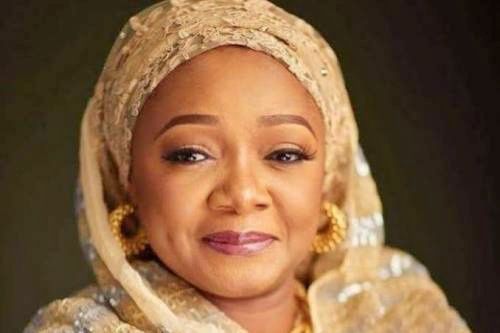
At the heart of this shift is the Minister of Women Affairs, Iman Suleiman-Ibrahim, who has turned the 2026 Women Mega Empowerment and Rally into a national moment – a moment that signals a transition from symbolic inclusion to structured political relevance.
At a world press briefing in Abuja, Suleiman-Ibrahim said the initiative, with the theme, “The Power of 10 Million: One Voice, One Movement, One Choice”, was a conscious effort to bring women together into an organised constituency to influence outcomes in the country.
It’s “not a programme but a paradigm shift,” she says, as women move from fragmented participation into a unified bloc with voice, structure and agency.
The rally, scheduled for May 5 at the Moshood Abiola National Stadium, is expected to be the formal launchpad of this movement, bringing together representatives from all 9,410 wards nationwide as broader mobilisation continues across communities.
Suleiman-Ibrahim was clear that the goal is not physical numbers in a single location, but the aggregation of influence. The stadium, with a capacity of some 60,000, will host selected delegates, but millions more are expected to connect through decentralised networks. She described this as a bottom-up model that seeks to embed participation at grassroots level while ensuring national coordination.
The movement is in tandem with the Renewed Hope Agenda of President Bola Tinubu, with the minister stressing the fact that the government has placed women, children and vulnerable groups at the centre of governance. “Inclusive growth is not an option but an imperative,” she said, adding that women should not be seen as policy beneficiaries but as change agents. The rally, in this sense, is both a show of support for the administration and an attempt to make room for more women in it.
At the heart of this work is an economic argument that moves women’s empowerment from social policy to national development strategy. Suleiman pointed out the systematic exclusion of women from finance, land ownership and formal economic systems, despite their enormous contributions to agriculture, enterprise and community resilience. Closing the gap was critical to unlocking productivity and long-term prosperity, she said, a vision being pursued through programmes such as the Renewed Hope Social Impact Intervention 774, which targets women across all local government areas with grants, skills training and enterprise support.
Suleiman-Ibrahim highlighted the involvement of the First Lady, Senator Oluremi Tinubu, as adding weight to the initiative, describing her as a consistent advocate whose work has bridged policy and grassroots realities. Her presence as Special Guest of Honour at the rally will reinforce the administration’s broader social development agenda.
The rally is also meant to achieve tangible results beyond mobilization, which highlights its political subtext. This will create a platform for the endorsement of President Tinubu for the general election, a national charter that will articulate the demands and priorities of Nigerian women, and create a platform for the integration of women’s groups across all wards into a coordinated national structure. In combination, these elements point to a calculated attempt to convert demographic strength into organised influence.
Other stakeholders echoed this position during the briefing. Abike Dabiri-Erewa, Chairman/CEO of the Nigerians in Diaspora Commission, said the initiative gives women a chance to seize the narrative on governance and reforms, saying their voice, when aggregated, is a unique one. Similarly, Zainab Ibrahim, the Chairman of the Organising Committee, said the movement is meant to bring women together across political, social and regional boundaries, so that they can act collectively to pursue common goals.
Organisers appear to be banking on scale, coordination and continuity, not a one-off event, with more than 3,000 volunteers already mobilised and structures in place across states, local governments and wards. The grassroots focus of the integration suggests that the rally is intended to be the beginning of a model for continued engagement, not a single event.
What is emerging, therefore, is not just another political mobilisation but an attempt to redefine the place of women within Nigeria’s power architecture. By associating empowerment with political alignment, economic inclusion and structured organisation, the initiative seeks to turn numbers into leverage and presence into influence.
The signal from Abuja is clear, but whether it ultimately reshapes the dynamics of governance or reinforces existing political alignments remains to be seen. Nigerian women are positioning themselves to be counted, and to count.