The cost of refined petroleum products in international markets has been pushed up by a sharp rise in global crude oil prices and this could put renewed pressure on petrol prices in Nigeria.
The global oil market has returned to a period of increased volatility, linked to rising prices, caused by growing geopolitical tensions and major supply disruptions.
The cost of crude oil has reached its highest price since 2022, leading to more increases in the price of petrol, diesel and aviation fuel around the world.
“The rally is largely being fueled by developing tensions in the Middle East and tightening supply conditions in key oil-producing regions,” said industry analysts.
These developments are already feeding into higher prices of refined petroleum products in global markets.
The price of crude oil, the most important component of petrol production, has been climbing steadily in recent weeks after the effective closure of the Strait of Hormuz, a key shipping lane through which nearly one-fifth of the world’s crude oil supplies pass.
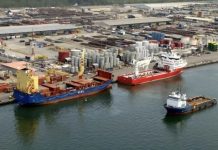
The disruption has stranded several oil tankers, tightening supply further and adding to pressure on prices.
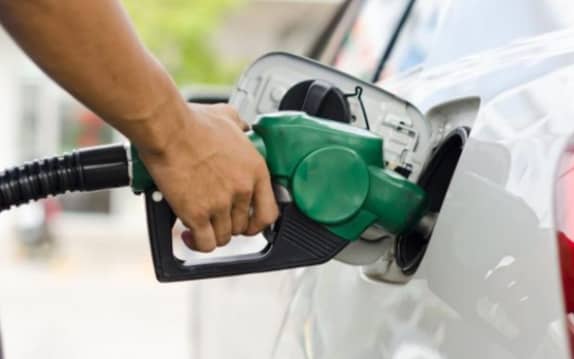
This has pushed the average global price of petrol to around $1.5 per litre reflecting sustained pressure from high crude oil prices and geopolitical risks.
Nigeria operates a deregulated fuel pricing regime, but remains one of the cheapest petrol markets globally with PMS sold at about $0.9 per litre.
But energy analysts say sustained volatility in global crude oil prices could eventually push domestic pump prices higher.
They note that better local supply conditions, especially increased output from the Dangote Petroleum Refinery, have helped Nigeria’s current pricing advantage, stabilising fuel supply and mitigating the immediate impact of rising international oil prices.
Advanced economies continue to see high fuel prices.
In Hong Kong, one of the world’s most expensive markets, petrol costs about $4.2 a litre.
Other high-priced markets are the Netherlands ($2.7 per litre), Switzerland ($2.4), France ($2.3) and the United Kingdom ($2.1 per litre).
Across Africa, several countries are also struggling with high fuel prices amid heavy import dependence and currency pressures.
Malawi has one of the world’s highest petrol prices at about $3.8 per litre compared to Morocco where it sells at about $1.7 per litre.
In Seychelles, Kenya and Cameroon prices are close to $1.5 per litre whilst Ghana, Lesotho and South Africa average around $1.4 per litre.