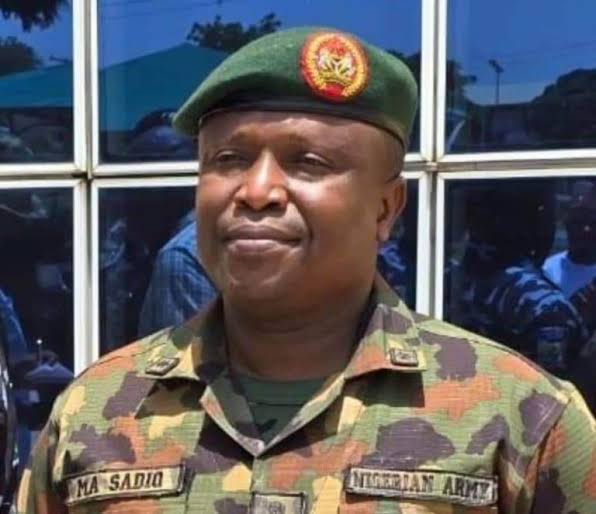
More details have emerged on how military officers accused of plotting to topple President Bola Tinubu’s administration allegedly planned their operation, including the use of coded language, suggested dates for execution, and deployment of personnel and logistical arrangements.
The documents also reportedly offer insight into what investigators called the suspects’ intended transition plan if the alleged operation succeeded.
The revelations were contained in confidential investigative documents, said to run into more than 7,400 pages, comprising statements obtained from suspects, bank records, secret notes, records of alleged conversations and other exhibits gathered during the investigation.
The alleged plot, for which Premium Times reviewed the documents, was about gaining control of strategic military installations, securing broadcast facilities, mobilising troops and dealing with senior military commanders considered capable of frustrating the operation, it said.
The allegations are allegations contained in the investigative materials, and the accused officers have the right to defend themselves against the accusations.
Officers allege plot
Previous reports had identified Nigerian Army Colonel Mohammed Ma’aji as a principal figure in the alleged conspiracy, along with retired Colonel M.M. Adamu, Lieutenant-Colonel Shamsuddeen Bappah and Major Abdulkarim Ibrahim.
Military authorities said Adamu was still at large. Ma’aji, Bappah and Ibrahim reportedly gave separate statements to investigators on the alleged operational plans.
Coded expressions were allegedly used to conceal discussions about the plan, the documents also said.
Investigative records indicate the suspects called themselves ‘farmers’ and the larger supposed movement was ‘farming.’
Other agriculture-related terms were also reportedly given specific meanings in their communications.
“Fertilisers” supposedly stood for logistics such as money, vehicles, weapons and supplies, while “harvest” meant the proposed execution day.
Read Also: Nigeria Eyes Higher Earnings As Global Oil Prices Cross $100
The operation, allegedly named “digital farming”, involved clerics approached to pray for its success being referred to as “technical partners”.
Investigators also said the expressions “D-Day” and “H-hour” were used to describe the proposed day and time of the operation respectively.
Other documents revealed a disagreement and uncertainty about when the alleged operation would take place.
Ibrahim told investigators the conspirators considered doing the operation in the early morning but a final date was not set.
Some of the suspects reportedly mentioned three dates, September 27, October 1 and October 4, 2025.
One of the dates under consideration was October 1, Nigeria’s Independence Day.
September 27, October 1 and another later date were discussed, investigators are told by another suspect, Major Ilyasu Jamilu. But he said no final date was set because preparations for the alleged operation were incomplete.
Similarly, Ibrahim told investigators that the timing ultimately depended on the availability of the necessary personnel and equipment.
“The timing of D-Day would be determined by the availability of troops and equipment,” he said.
Report Says Logistics, Troops Central To Plan
The investigative documents showed that the availability of troops, equipment and other logistical requirements was a major consideration in determining when the alleged plot would be put into action.
The materials also contained details of how individual responsibilities were allocated to participants, and how strategic locations were identified as part of the wider plan, the report says.
Investigators said the planning went beyond the initial operation, with conversations also covering what would happen if the alleged bid to seize power succeeded.
The findings add to the details emerging from the investigation into the alleged plot and the roles authorities say individual suspects played.
Investigative papers identified a number of statements allegedly used by the suspects to conceal their communications:
Farming — the so-called coup movement
Fertilisers — logistics, like money, vehicles, weapons and supplies
Harvest – proposed execution day “D-Day”
Digital farming – the planned operation
Technical partners Clerics reportedly contacted to pray for the success of the operation