“We are calling on UN Secretary-General António Guterres to urgently invoke Article 99 of the UN Charter and draw the attention of the UN Security Council to Nigeria’s escalating insecurity, including mass abductions, killings, attacks on civilians, mass displacement and other grave human rights violations,” Socio-Economic Rights and Accountability Project (SERAP) said.
“Nigeria’s escalating insecurity and grave human rights violations are reflected in repeated abductions, killings, attacks on civilians and mass displacement in Oyo, Benue, Borno, Plateau, Kaduna, Zamfara, and several other parts of the country, SERAP said.
In the 30 May 2026 open letter signed by SERAP deputy director Kolawole Oluwadare, the organisation said: “The scale, persistence, and regional implications of the insecurity and serious human rights crisis in Nigeria represent a threat to international peace and security, and risk exacerbating existing threats in the region.”
“Article 99 of the UN Charter is precisely meant for situations where emerging or ongoing crises demand urgent preventive diplomacy, sustained international scrutiny and concerted international action,” SERAP said.
“Several years of violence and conflicts in several states have caused appalling human suffering, physical destruction and collective trauma across Nigeria, SERAP said. “We are appealing under the preventive mandate of the UN Charter and the need to deal with a situation that is rapidly deteriorating in the country.
“Article 99 of the UN Charter says, in part: ‘The Secretary-General may bring to the attention of the Security Council any matter which in his opinion may threaten the maintenance of international peace and security.’
“Putting the escalating insecurity and serious human rights violations in Nigeria on the Security Council’s formal agenda would enhance the credibility and effectiveness of the United Nations system in meeting its primary responsibility for the maintenance of international peace and security.”
“It would also help maintain sustained international focus on attacks on civilians, including abductions, killings, and displacement.”
“The crisis in Nigeria is not just a domestic law-enforcement matter. Its impact increasingly affects regional peace and security through cross-border movement of armed groups and weapons, massive displacement, increasing instability beyond Nigeria’s borders and weakening human rights protection and rule of law institutions.”
There is no effective protection for people and communities. There are repeated reports of a pattern of large-scale violence in several states.
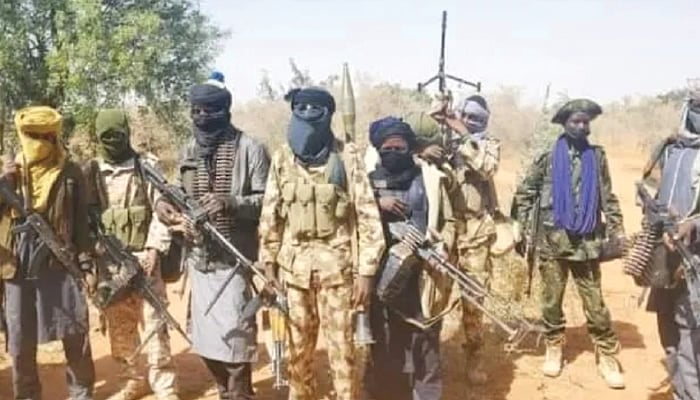
“Nigeria is experiencing a severe and escalating security crisis characterized by repeated mass abductions of schoolchildren, teachers, women, commuters and rural residents; attacks on villages and farming communities; killings by armed groups and criminal networks; and widespread displacement.”
Communities in Oyo, Benue, Borno and across Nigeria continue to experience repeated attacks with devastating consequences for civilian life, dignity and security. The recent abductions of pupils and teachers in Oyo State highlight the severity of the crisis faced by civilian populations.”
“On or about 15 May 2026, armed men reportedly attacked several schools in Ahoro Esinele community in Oriire Local Government Area of Oyo State, including Community Grammar School, Baptist Nursery and Primary School and L.A. Primary School.”
“At least 25 pupils and seven teachers were abducted in the coordinated attacks. “An assistant headmaster was allegedly killed and another teacher died in captivity later.”
Later circulated were disturbing videos of one abducted teacher, the vice principal of Community Grammar School, begging President Bola Tinubu, Governor Seyi Makinde and Nigerians to secure the release of the victims. “Abductees are being held under harsh conditions and exposed to extreme weather. There are calls for urgent dialogue to save their lives.”
This incident highlights the devastating human cost of repeated abductions of schools, children and education workers, and the urgent need to bolster civilian protection, accountability and prevention.
“Available information also indicates that gunmen have recently abducted secondary school students and other travellers in Benue State while travelling to sit university entrance examinations.”
“There are also reports of increasing attacks by non-state armed groups in the North-East, North-West and North-Central regions. “Recent bomb explosions in Maiduguri, Borno State, reportedly killed at least 23 people and injured over 100 others.”
“These attacks have been accompanied by repeated assaults on military formations, attacks on internally displaced persons’ camps, abductions of women and children and killings of civilians in rural communities.”
Gunmen recently killed at least 10 people, including women and children, in Katsina State. Coordinated raids in separate incidents left at least 20 people dead and saw abductions of residents. “Another attack in Adamawa State reportedly killed at least 29 people.”
“Collectively, these events point to an escalating security crisis marked by mass killings, abductions and continued assaults on rural communities.”
The situation is fast deteriorating into a humanitarian and security crisis, with potentially far-reaching consequences for Nigerians as a whole and for peace, security and stability across the West African subregion. This result must be prevented with the utmost urgency.”
“Recent pronouncements by United Nations officials have highlighted the increasing international concern over the worsening insecurity and serious human rights violations in Nigeria. “You condemned the killing of people in Benue State in June 2025 and called for those responsible to be found and apprehended.”
“In February 2026, you also condemned the terrorist attack in Kwara State, reaffirmed the solidarity of the United Nations with Nigeria and stressed the need to bring perpetrators to justice.”
The Office of the United Nations High Commissioner for Human Rights said it was shocked by the surge in mass abductions in Nigeria in November 2025, urging authorities at all levels to take all lawful measures to stop such attacks, ensure accountability and secure the safe return of victims.
“The United Nations has also cautioned that insecurity in Nigeria is creating wider humanitarian and regional implications. “Violence across multiple regions has displaced millions, disrupted livelihoods and deepened one of the country’s most severe humanitarian crises in recent years, the UN Resident and Humanitarian Coordinator in Nigeria has noted.
“UN agencies have also expressed concern that persistent attacks and instability are exacerbating food insecurity and placing pressure on communities within Nigeria and across the wider region.”
“These repeated warnings confirm that the crisis is not just a domestic one, but one with serious human rights, humanitarian and regional peace and security implications.”
“The Secretary-General’s recent use of Article 99 in relation to Gaza reaffirmed the importance of this role in situations involving large-scale human suffering, humanitarian emergency and risks of wider regional destabilisation.”
“It showed how important it is to act quickly when national crises have transboundary consequences, such as displacement and insecurity.”
“Under international human rights law, state responsibility is not limited to refraining from direct violations. Nigerian authorities could be liable where they fail to exercise due diligence to prevent, investigate, punish and remedy abuses by non-state actors where risks are known or reasonably foreseeable.”
“The pattern of abductions, attacks, enforced disappearances, killings and violence across Nigeria is repeatedly documented and foreseeable, and these risks are well known.”
“Where such threats continue to exist in the absence of adequate preventative protection, effective investigation or accountability serious concerns arise under international human rights law including the UN Charter.”
“The ongoing insecurity throughout Nigeria has caused and continues to cause devastating loss of life, destruction of communities and fear among millions. “These attacks, their humanitarian consequences and their implications for regional stability are persistent and require urgent international attention.”
SERAP has therefore urged Mr António Guterres to:
Use your authority under Article 99 to bring the situation in Nigeria to the attention of the Security Council without delay.
Encourage the Security Council to conduct regular public briefings on the issues of insecurity, abductions and the humanitarian consequences in Nigeria.
Call for systematic reporting by relevant UN bodies on attacks, displacement and humanitarian impacts.
We call on the Nigerian authorities to take urgent steps to prevent attacks, protect civilians and ensure the release of abducted persons.
Demand for swift, unbiased and effective probe of all incidents and for perpetrators and enablers to be held accountable.
Publicly urge the Nigerian authorities to uphold their human rights obligations and strengthen civilian protection measures.
Support measures to combat impunity and ensure remedies and reparation to victims and affected communities.
Call on the international community to use all available means to prevent further escalation and to protect the lives of the people.