Nigeria and other developing nations are facing a worsening fiscal crisis as revenue from the exploitation of natural resources decreases and assistance from wealthier countries wanes.
This has sparked new worries about their capacity to finance development initiatives.
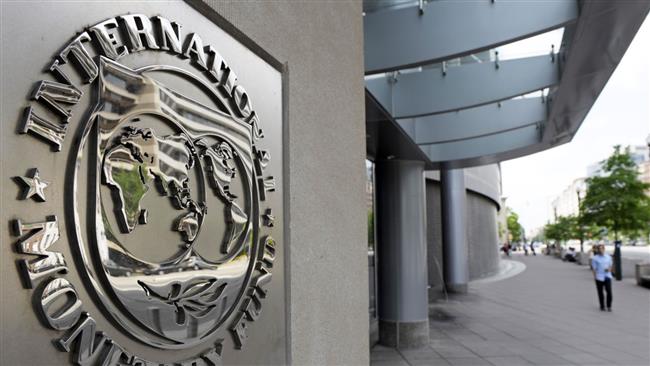
The most recent yearly update of the World Revenue Longitudinal Database published by the International Monetary Fund heightened this concern. The update claims that over the previous 20 years, international aid payments and extractive industry income for general government spending have drastically decreased. Since 2000, the combined GDP from these sources has decreased by 3.8 percentage points.
Even while many nations have increased tax revenue, increases of 2.6 percentage points of GDP have only partially compensated for the losses, leaving a growing deficit in public finances.
According to the data, the reduction in both low-income countries and developing markets has been mostly caused by declining non-tax revenues associated with extractive industries including mining, oil, and gas. Royalties, profit-sharing plans, and dividends from state-owned businesses are examples of these earnings.
The strain has been exacerbated by a consistent decline in foreign aid allocations for general spending, which has further limited the fiscal space available to governments already struggling with growing development needs.
The IMF points out that closing the gap will necessitate a more robust and stable domestic revenue base. Many impacted nations run the risk of falling short of their economic growth objectives if tax collection is not greatly improved. The research emphasized that “they need sustained investment in domestic tax policy and tax administration, supported by effective institutions, in order to succeed.”
In order to strengthen tax systems and institutions, the IMF works with donor countries and international organizations to provide technical assistance, training, and targeted capacity development programs.
These initiatives seek to increase what is referred to as domestic income mobilization while decreasing reliance on erratic revenue sources like commodity revenues and foreign aid. Consequently, this promotes more stable long-term growth and strengthens budgetary resilience.
The Fund also emphasized how crucial reliable, high-quality data is to developing successful policy solutions. Its database, which spans many decades and covers 195 economies, offers in-depth insights into patterns in tax and non-tax revenue, giving researchers and policymakers a vital tool for comparing performance and determining reform priorities.
The IMF is stressing that emerging nations must immediately strengthen their internal revenue mechanisms or face greater budgetary burden in the years to come as conventional income lifelines deteriorate.