
LIFE Advocates Stronger Community Support for Reproductive Health Laws in Lagos
…..Mobilizes Stakeholders to Strengthen Reproductive Health Advocacy in Lagos
By Naomi Onome
On June 2, 2026, the Leadership Initiative for Youth Empowerment (LIFE) intensified calls for stronger community engagement and sustained advocacy to advance sexual and reproductive health and rights (SRHR) laws and policies in Lagos State, emphasizing the need for collective action to ensure improved access to reproductive healthcare services and the protection of the rights of women and girls.
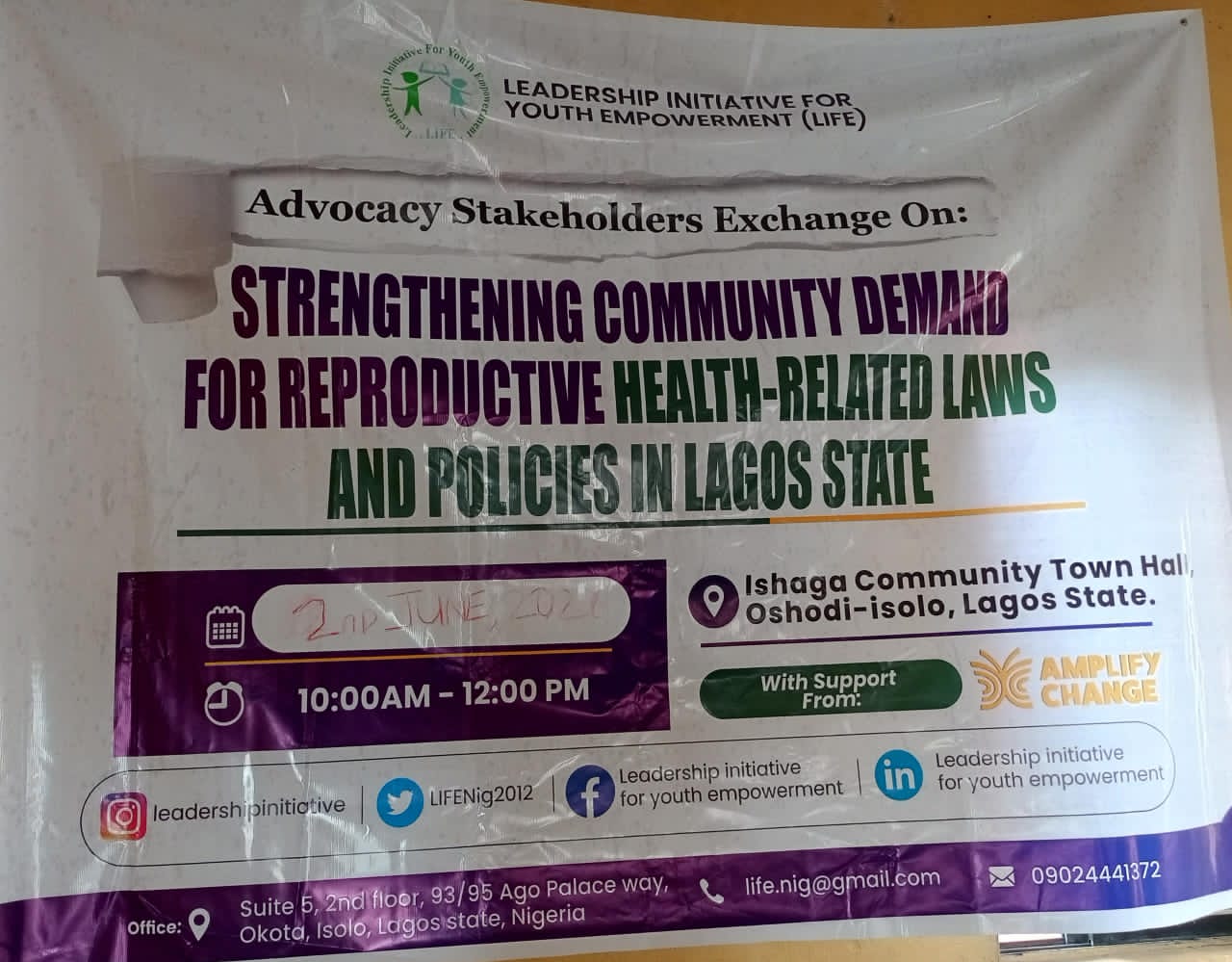
The call was made during an Advocacy Stakeholders Exchange on “Strengthening Community Demand for Reproductive Health-Related Laws and Policies in Lagos State,” held at the Ishaga Community Town Hall in Oshodi-Isolo Local Government Area on Tuesday.
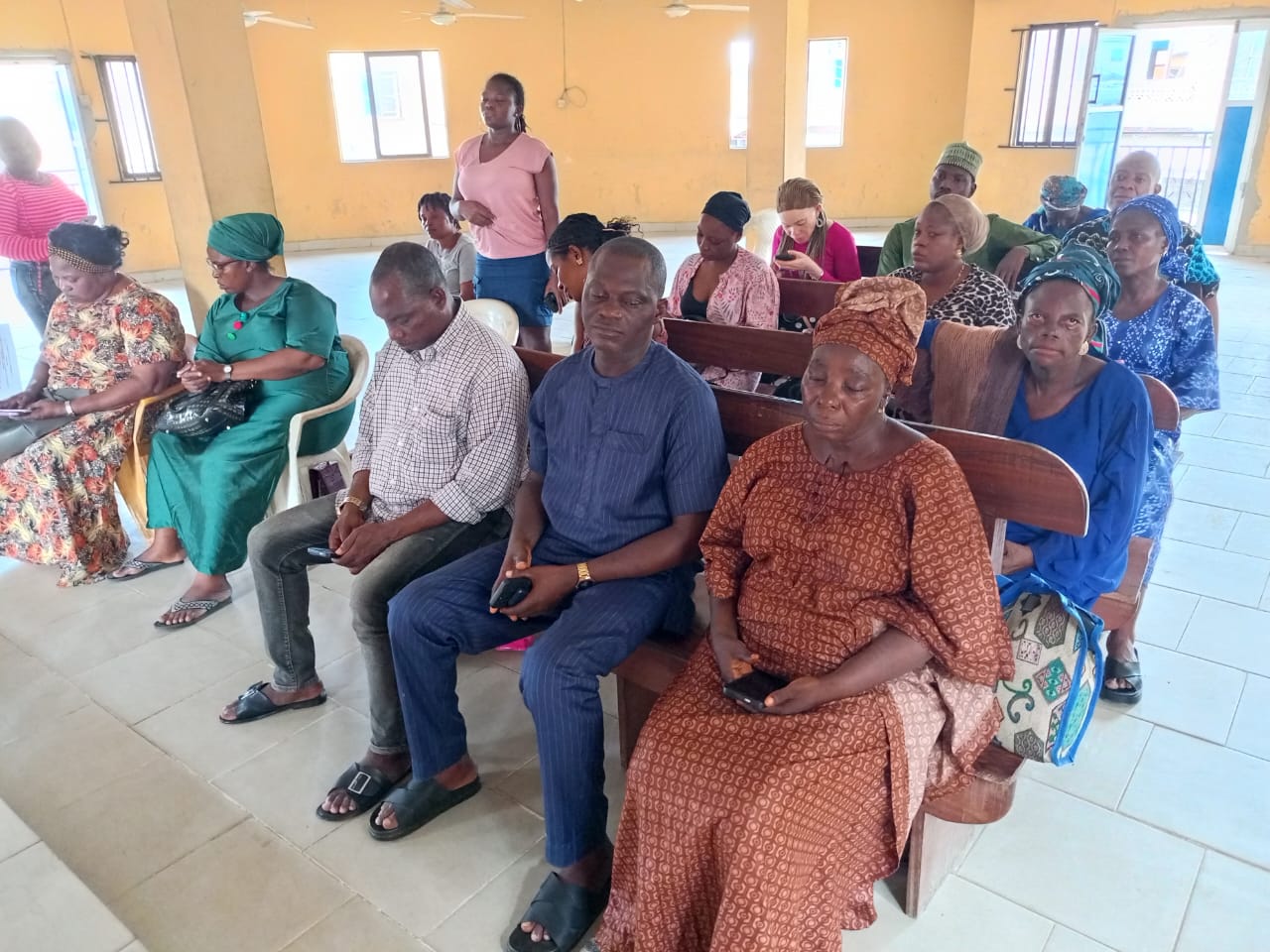
The engagement brought together healthcare workers, community and religious leaders, Lagos State health officials, youth representatives, and other stakeholders from Oshodi-Isolo and neighbouring communities to discuss challenges affecting access to sexual and reproductive health services and strategies for improving policy implementation.
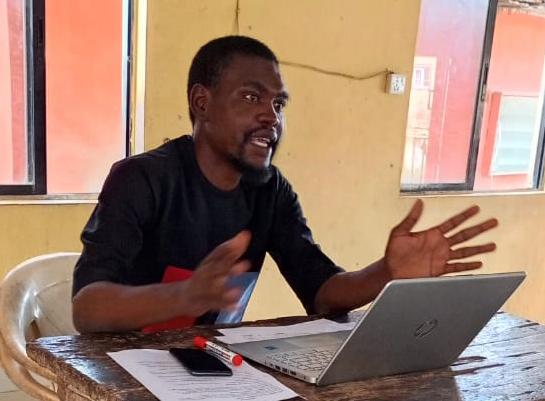
Facilitating the discussion, LIFE Program Officer Obinna Okonkwo, described the forum as an interactive platform aimed at educating stakeholders on sexual and reproductive health rights and empowering them to advocate for improved services within their communities.
According to him, the objective is to build the capacity of community leaders and stakeholders so they can identify gaps in reproductive health services and demand implementation of policies and laws that guarantee access to quality reproductive healthcare for women and girls in Lagos state.
“Once people are informed and empowered, they can begin to demand laws and policies that ensure women and girls have access to the reproductive health services they need,” he said.
A major focus of the engagement was the discussion around safe and unsafe termination of pregnancy. Participants examined the circumstances under which pregnancy termination may be physically or mentally necessary, including cases where a pregnancy poses a threat to a woman’s life, health or mental well being, or results from rape or incest.
Okonkwo referenced the Safe Termination of Pregnancy (STOP) Guideline, a policy document developed in collaboration with stakeholders to guide procedures and eligibility for safe pregnancy termination. He noted that while the guideline generated public debate and was subsequently suspended, advocacy efforts continued for its reinstatement and implementation.
“We are advocating for policies that ensure women and girls who fall within legally permissible circumstances can access safe reproductive health services without discrimination or unnecessary barriers,” he stated.
Stakeholders identified several factors limiting access to sexual and reproductive health services in communities, including religious beliefs, cultural norms, stigma, fear of judgment by healthcare providers, financial constraints, and inadequate awareness.
Participants stressed that many women and girls avoid seeking professional medical care due to fear of societal condemnation and the high cost of healthcare services, often resorting to unsafe alternatives.
To address these challenges, stakeholders recommended sustained public awareness campaigns, community sensitization programs, engagement with religious and traditional leaders, and stronger collaboration with policymakers.
Some participants also called for the formation of organized advocacy groups comprising community leaders, faith-based organizations, and civil society groups to push for reproductive health reforms and the passage of supportive legislation.
Others advocated increased dissemination of information through flyers, workshops, seminars, and community dialogues to educate residents on reproductive health rights and available services.
The stakeholders further emphasized the importance of creating safe spaces where survivors of rape, incest, and other forms of sexual violence can share their experiences without fear of stigma or discrimination.
Mr. Obinna Okonkwo urged community members to refer women and girls with lived experiences of challenges in accessing reproductive health services to the organizations, saying their testimonies could help influence policy decisions and legislative reforms.
The meeting concluded with a renewed commitment by stakeholders to strengthen community advocacy, raise awareness, and engage decision-makers to ensure women and girls in Lagos State have improved access to sexual and reproductive health services.
Speaking at the close of the event, Okonkwo thanked participants for their contributions and encouraged them to continue championing reproductive health awareness within their respective communities.
He reiterated that community engagement remains critical to achieving policy reforms that protect the health, dignity and rights of women and girls across Lagos State.