The price tag for the ongoing United States military campaign against Iran has climbed to an estimated $25 billion, underscoring the scale of the deepening conflict between the two countries.
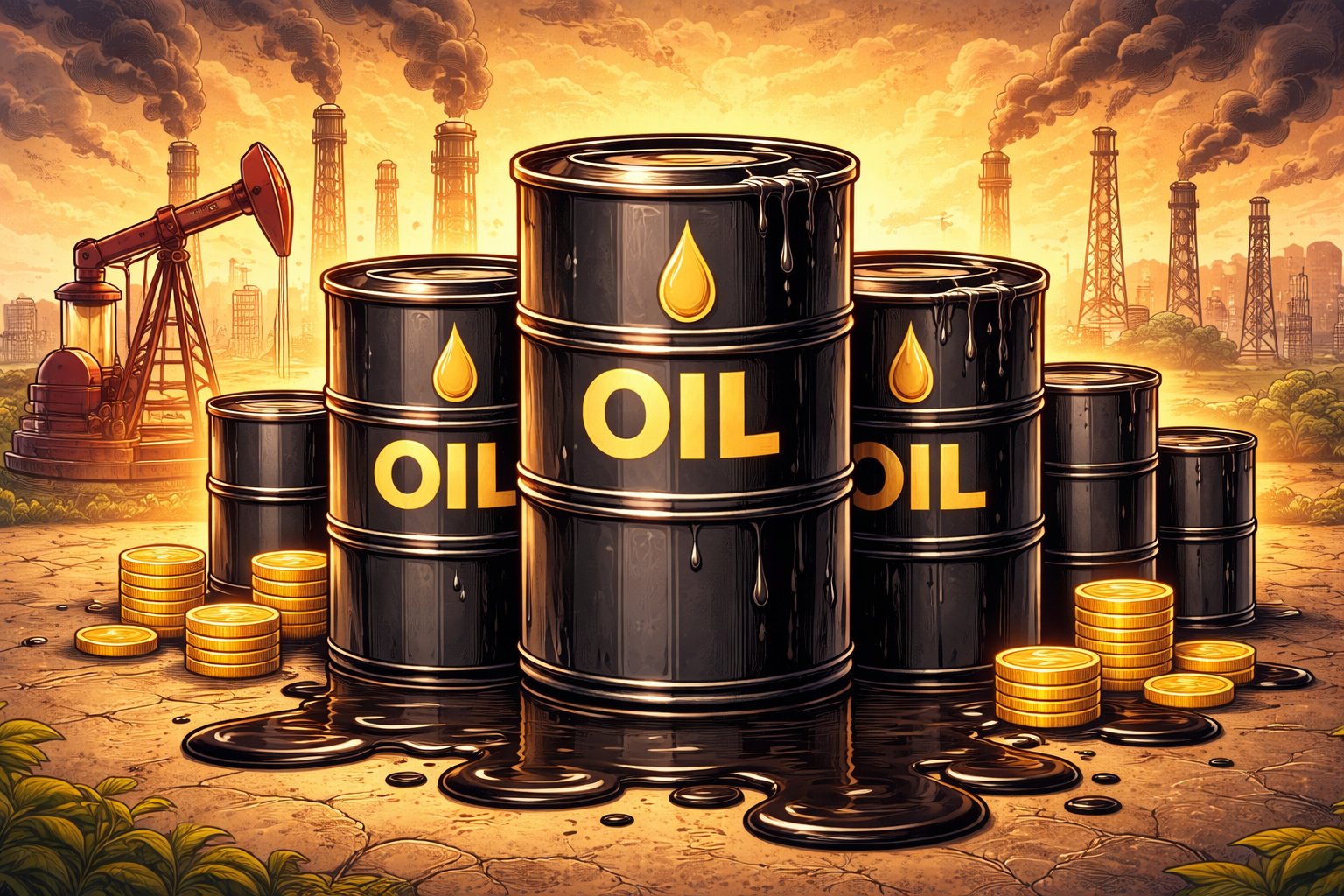
Global oil prices jumped to around $119 a barrel yesterday amid fears of supply disruptions sparked by the crisis with tensions in the Middle East roiling energy markets.
US President Donald Trump yesterday insisted that the blockade on Iran will remain in place until it agrees to renegotiate its nuclear programme, signalling a likely prolonged standoff with significant implications for global stability.
The impact was almost immediate in Nigeria, where the Dangote Refinery raised the ex-depot price of petrol to N1,275 per litre, an increase of N75 per litre at the depot, which reflected the increase in crude prices and the attendant supply costs.
Jules Hurst, a senior Pentagon official, said Wednesday the US war in Iran has cost $25 billion so far. It was the first official estimate of the military’s price tag for the conflict.
With just six months until mid-term elections in which Trump’s Republicans may have an uphill battle to retain their House majority, Democrats are high in public opinion polls as they try to link the unpopular Iran war with affordability.
Most of that money was for munitions,” Hurst, who is acting as comptroller, told lawmakers on the House Armed Services Committee. Hurst did not detail what that cost estimate included, or whether it factored in the projected costs of rebuilding and repairing damaged base infrastructure in the Middle East from the conflict.
Rep. Adam Smith, the top Democrat on the House Armed Services Committee, replied to Hurst: “I’m glad you answered that question. That’s because we’ve been asking for a hell of a long time, and no one’s given us the number.”
The United States began hitting Iran on February 28 and the two sides are now in a shaky ceasefire. The Pentagon has sent tens of thousands more forces to the Middle East, including keeping three aircraft carriers in the region.
Thirteen U.S. troops have died in the conflict and hundreds wounded.
A Reuters report said that the disruption of oil and natural gas shipments since the war started has caused US petrol prices and agricultural products such as fertilizers to rise, on top of the long list of other high consumer prices.
Trump’s popularity has suffered since the US and Israel launched a war against Iran on February 28 that has caused a surge in petrol prices. Only 34 percent of Americans approve of the U.S. conflict with Iran, according to a recent Reuters/Ipsos poll, down from 36 percent in mid-April and 38 percent in mid-March.
Brent crude meanwhile rose to $119 a barrel on Wednesday afternoon, its highest so far this month and a near-7 per cent rise in a day.
Iran has promised to continue blocking traffic through the Strait of Hormuz in retaliation for the US blockade.
The key Strait of Hormuz has been effectively shut down for weeks because of the conflict, and since the war began oil prices have swung wildly, a BBC report said.
In reaction to US and Israeli strikes which began about two months ago, Iran has severely restricted shipping through the strait which normally carries about a fifth of the world’s supply of oil and liquid natural gas.
Tehran earlier this month warned it would target any vessel approaching the strait. The US then said its forces would intercept or turn back ships heading to or from Iran’s ports.
BBC Verify analysis indicates at least four vessels tracked leaving Iranian ports appear to have crossed the US blockade line. Oil has seesawed in recent weeks but is still priced well above its pre-conflict level per barrel.
A ceasefire between Israel and Lebanon was announced on 17 April and the price of Brent crude fell to $90 a barrel. The US said it would suspend attacks on Iran on April 8. And it is still well above the pre-conflict price for a barrel.
But the oil benchmark has been rising steadily over the last 12 days as the US has maintained its blockade.
Iran’s economy is also in a deepening crisis, with skyrocketing prices, a declining currency, and the threat of oil exports coming to a halt. The annual inflation rate has reached 53.7 per cent, according to the Statistical Centre of Iran. The country’s currency, the rial, has dropped to a record low.
Last week the Iranian government said that the war had cost around 2 million Iranians their jobs, directly or indirectly.
After days of impasse in efforts to end the conflict, Trump urged Iran to “get smart soon” and sign a deal Wednesday. In a post on Truth Social, Trump said the country “couldn’t get its act together.”
The Wall Street Journal cited U.S. officials as saying the president had told aides to prepare for a prolonged blockade of Iranian ports in an effort to pressure Tehran.
The report said Trump opted to maintain the blockade, which strangles Iran’s economy and oil exports, because the other choices — restarting bombing or exiting the conflict — held greater risk.
Iranian officials said Tuesday the country could withstand the blockade as it was using alternative trade routes.
The World Bank forecast on Tuesday that energy prices would leap 24 per cent in 2026 to their highest since Russia’s full-scale invasion of Ukraine four years ago, if the worst disruptions from the Iran war end in May.
European stocks fell on Wednesday as investors digested a slew of corporate earnings and looked ahead to the US Federal Reserve’s latest interest rate decision.
“US President Donald Trump said Wednesday he has rejected the Iranian offer of lifting the US blockade and opening the Strait of Hormuz.
He wants some guarantees first on curbing the Iranian nuclear programme, telling Axios in a phone interview that “they can’t have a nuclear weapon”.
“The blockade is a little bit more effective than the bombing. They are choking like a pig that is stuffed. And it will be worse for them. “They cannot have a nuclear weapon,” Trump added.
Trump praised the effectiveness of the blockade but declined to discuss any possible military plans in the interview.
They want to have a settlement, They don’t want me to maintain the blockade. “I don’t want to (lift the blockade) because I don’t want them to have a nuclear weapon,” he said.
Meanwhile, the Dangote Refinery has increased its ex-depot price of petrol by N75 per litre in a move that is sure to have a ripple effect on fuel pump prices across the country.
Data from Petroleumpriceng shocked the downstream further as it raised its loading price for petrol from N1,200 per litre to N1,275 per litre. Coastal supply prices rose to N1,215 per litre.